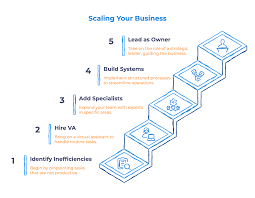
Got a great idea for an online store? Awesome! But running it all by yourself?
That can feel like juggling way too many balls. Especially when your dropshipping business starts to grow. You might be thinking, “How do I get help?” Or, “Who do I even need?” It’s a super common question for online sellers.
You’re not alone in feeling overwhelmed. Many store owners hit this wall. They’re doing great at finding products.
They’re getting sales. But the day-to-day tasks pile up. Customer emails need answers.
Orders need checking. New products need sourcing. It’s a lot!
This guide is here to help. We’ll walk through building your dream dropshipping team. You’ll learn which jobs are key.
You’ll get tips on finding good people. And you’ll see how to manage them well. Let’s get your business running smoother.
The core idea of building a dropshipping team is to delegate tasks you can’t do, don’t have time for, or don’t do well. This allows you to focus on growth and strategy. It means hiring people for customer support, order fulfillment, marketing, and product research. Effective management and clear communication are vital.
What is a Dropshipping Team?
Think of a dropshipping team as your support crew. They are the people who help run your online store. They handle tasks so you don’t have to.
This team can be small at first. It might just be one or two helpers. As your business grows, your team will grow too.
Why is a team needed? Your time is precious. You start your store.
You find products. You market them. You talk to customers.
You track orders. It all falls on you. Your brain has only so much room.
Your hands can only do so much.
A team takes on some of that load. They become experts in their specific jobs. This makes things run much better.
It’s about working smarter, not harder. You can then focus on big picture things. Like finding new, winning products.
Or planning your next big marketing push. This helps your store grow faster.
The people you hire are usually working remotely. This is common in dropshipping. They might be in different cities or even countries.
They use online tools to do their work. Think email, chat apps, and project management software.
My Own Dropshipping Team Story
I remember when my first store really took off. Sales were coming in. I was thrilled!
Then the emails started flooding my inbox. Customers had questions about shipping. They wanted to know where their orders were.
Some had issues with products they received. It was exciting, but also a bit scary.
I was spending hours each day just replying to messages. My other work suffered. I wasn’t finding new products.
I wasn’t improving my ads. I felt stuck in a cycle of reactive work. One evening, I looked at my screen, tired and a little stressed.
I realized I couldn’t keep doing it all alone.
That’s when I decided to find my first virtual assistant. I felt a bit nervous. Could someone else handle my customers?
Would they be as caring? I took a leap and hired someone part-time. It was a game-changer.
Suddenly, I had my evenings back. My customers were getting answers faster. My stress levels dropped.
It took some trial and error. But having that first person on board opened my eyes. It showed me the power of delegation.
It meant my business could grow beyond my own capacity. That first virtual assistant was the start of building my whole team over time.
Key Roles in a Dropshipping Team
1. Customer Service Representative: This person handles all customer inquiries. They answer questions about orders, products, and shipping.
Good communication skills are a must.
2. Order Processor/Fulfillment Specialist: They place orders with your suppliers. They track shipments and update order statuses.
Attention to detail is very important here.
3. Product Researcher: This person finds new, trending products to sell. They look at market trends and competitor offerings.
They need to spot opportunities.
4. Marketing Assistant: They help with social media posts, email newsletters, or ad copy. They support your marketing efforts to bring in more customers.
5. Virtual Assistant (VA): A generalist who can cover several of these roles. Or they might handle administrative tasks.
They can be very flexible.
Essential Dropshipping Roles
You don’t need everyone on day one. Start with the most critical needs. What is taking up the most of your time?
What is hurting your customer experience the most?
Often, customer service is the first thing to delegate. Happy customers mean repeat business. Unhappy ones can hurt your reputation.
A good customer service rep makes a big difference.
Next, consider order processing. As orders increase, manually placing them becomes a huge time sink. Someone who can do this quickly and accurately is invaluable.
They ensure customers get their items without delays.
Product research is how your business stays fresh. You need to find new items to sell. If you’re not doing this, your store might get stale.
A product researcher keeps your offerings exciting.
Marketing is how you get people to your store. If you’re running ads or social media, help here can boost your results. An assistant can manage daily posts or track ad performance.
When to Hire Your First Team Member
Scenario 1: Overwhelmed by Customer Support
If you spend more than 2-3 hours daily on customer emails and messages, it’s time. You need someone to handle these inquiries.
Scenario 2: Order Volume is Too High
If manually placing hundreds of orders each week is taking too much time, hire an order processor.
Scenario 3: Stagnant Product Catalog
If you haven’t added new, exciting products in months, get a product researcher.
Scenario 4: Marketing Efforts Lagging
If your social media is quiet or ad campaigns aren’t managed well, a marketing assistant can help.
Finding the Right People
This is where many store owners struggle. How do you find people you can trust? How do you find people who are good at their jobs?
Start with freelance platforms. Websites like Upwork, Fiverr, or OnlineJobs.ph are popular. They have lots of people looking for work.
You can post jobs and see who applies.
Look at their profiles carefully. Check their reviews. See what skills they list.
Do they have experience with dropshipping or e-commerce? This is a big plus.
When you post a job, be very clear. Describe the tasks. Explain what you expect.
Ask for specific things in their application. This helps you spot those who read carefully.
For example, you could ask them to start their application with a specific phrase. Like, “I am the perfect candidate.” Or, “My name is and I love finding products.” This shows they read your whole post.
Consider a small test task. Before hiring someone full-time, give them a paid trial. Have them answer a few customer questions.
Or find 3 product ideas. This shows you their real skills.
Communication is key. Make sure they understand English well. Good communication helps avoid many problems down the road.
Hiring Tips for Your First Virtual Assistant
Be Specific in Your Job Post: Clearly list duties, required skills, and your expectations.
Look for E-commerce Experience: Previous work in online stores or dropshipping is a huge advantage.
Check Reviews and Ratings: Other clients’ feedback is very important.
Request a Test Project: A small, paid task can reveal their true abilities and work ethic.
Assess Communication Skills: Ensure they can understand and express themselves clearly.
Discuss Availability: Make sure their working hours align with your business needs.
Onboarding Your New Team Members
Hiring someone is just the first step. You need to bring them into your business properly. This is called onboarding.
Good onboarding helps them succeed. It also helps your business run better.
Create a welcome packet. This document should explain your business. It should cover your brand’s tone.
It should list your core values. What is your store about? What do you want customers to feel?
Outline their job duties in detail. Give them step-by-step guides. How do they process an order?
What steps do they take when a customer is unhappy? The clearer the steps, the fewer mistakes will happen.
Set up necessary tools for them. This could be email accounts. It could be access to your Shopify store.
It might be shared folders for documents.
Schedule regular check-ins. Especially in the first few weeks. Talk to them daily at first.
Then maybe a few times a week. Ask how they are doing. Answer any questions they have.
This shows you care about their success.
Introduce them to any other team members. Even if it’s just you and one other person. Make them feel like part of the team.
Teamwork makes the dream work, as they say!
Onboarding Checklist
1. Welcome Document: Brand story, mission, values.
2. Role & Responsibilities: Detailed job description.
3. Standard Operating Procedures (SOPs): Step-by-step guides for tasks.
4. Tool Access: Email, Shopify, project management software, etc.
5. Communication Channels: How to reach you and others.
6. Initial Training Sessions: Reviewing guides and answering questions.
7. First Tasks: Start with simple, supervised tasks.
8. Regular Check-ins: Schedule frequent meetings.
Managing Your Dropshipping Team Effectively
Having a team is great. But if you don’t manage them well, things can fall apart. Effective management keeps everyone on track.
It makes your business run smoothly.
Clear Communication: This is the most important thing. Use tools like Slack or Discord. Have dedicated channels for different topics.
Be clear and concise in your messages.
Set Expectations: What are the working hours? What are the response times for customer emails? What are the goals for product research?
When people know what’s expected, they perform better.
Use Project Management Tools: Tools like Trello or Asana can help. You can assign tasks. You can track progress.
You can see who is working on what. This keeps everyone organized.
Provide Feedback: Don’t wait for problems to happen. Give positive feedback when someone does a great job. Offer constructive criticism when things could be better.
This helps them learn and grow.
Trust, but Verify: Trust your team members to do their jobs. But it’s also wise to check their work. You can do spot checks on customer replies or order processing.
This ensures quality.
Pay on Time: This sounds basic, but it’s crucial. Paying your team reliably builds trust. It makes them feel valued.
It keeps them motivated.
Regular Meetings: Even short, weekly meetings can be very helpful. Discuss what went well. What challenges did they face?
What’s coming up next week? This keeps everyone aligned.
Tools for Team Management
Communication: Slack, Discord, Microsoft Teams.
Project Management: Trello, Asana, Monday.com.
File Sharing: Google Drive, Dropbox.
Time Tracking: Toggl Track, Clockify (useful for hourly workers).
Customer Support: Help Scout, Zendesk (for managing tickets).
Scalability: Growing Your Dropshipping Team
Your business is growing! More sales, more customers, more orders. Your current team might not be enough.
How do you scale up without chaos?
Identify Bottlenecks: Where are things getting slow? Are customer replies taking too long? Is order processing falling behind?
Focus on fixing these first.
Hire More of the Same Role: If customer service is the issue, hire another customer service rep. If order processing is the problem, add another processor. It’s often simpler than adding complex new roles.
Cross-Train Team Members: If possible, train your team members to do more than one task. Your customer service rep might learn some order processing. Your order processor might learn some basic product research.
This adds flexibility.
Consider Team Leads or Supervisors: As your team gets larger (say, 5-10 people), you might need someone to manage them. This person reports to you and handles day-to-day team management.
Document Everything: The more detailed your SOPs are, the easier it is to train new people. When you need to scale fast, well-written guides are a lifesaver.
Automate Where Possible: Look for tools that can automate tasks. Email autoresponders. Automated order tracking notifications.
These reduce manual work.
Regularly Review Your Team Structure: Your needs will change. What worked six months ago might not work today. Periodically assess if your team structure is still the best fit.
When to Scale Your Team
Consistent High Order Volume: If you consistently process more orders than your current team can handle.
Long Customer Wait Times: If customers have to wait more than 24 hours for a response.
Missed Marketing Opportunities: If you’re too busy with operations to implement new marketing campaigns.
Founder Burnout: If you are feeling overwhelmed and unable to focus on growth strategies.
Increased Support Tickets: A significant rise in customer inquiries that strain your current support capacity.
Common Mistakes to Avoid
Building a team sounds great, but pitfalls exist. Be aware of these common mistakes. Avoiding them will save you time and money.
Hiring Too Soon: Don’t hire just because you think you should. Wait until you truly need help. Make sure your business can afford it.
Not Being Clear About Expectations: Vague instructions lead to confusion. People don’t know what to do. This causes mistakes.
Be super clear with every task.
Hiring the Wrong Person: This is costly. It wastes time. It can even hurt your business.
Take your time finding the right fit. Do those test tasks.
Micromanaging: Once you hire someone, trust them. Constantly looking over their shoulder is demotivating. It shows you don’t trust them.
Give them space to do their job.
Not Investing in Training: Expecting people to know everything is unrealistic. Provide training. Give them resources.
Help them succeed.
Poor Communication: If you don’t talk to your team, they feel disconnected. They might not know what’s important. Regular check-ins and clear updates are vital.
Forgetting About Team Culture: Even remote teams need a sense of belonging. Make them feel part of something. Celebrate wins together.
This boosts morale.
Mistake vs. Solution
Mistake: Hiring too fast.
Solution: Wait until the workload is unsustainable and affordable.
Mistake: Vague instructions.
Solution: Create detailed Standard Operating Procedures (SOPs).
Mistake: Hiring someone who isn’t a good fit.
Solution: Use thorough vetting and paid test tasks.
Mistake: Micromanaging.
Solution: Trust your team and focus on outcomes, not every step.
Mistake: Neglecting communication.
Solution: Schedule regular check-ins and use clear communication tools.
The Future of Your Dropshipping Team
As your business grows, your team will evolve. What started as a few freelancers might become a more structured operation. You might bring on managers or specialists.
You could build a dedicated customer support department. You might have a team focused solely on product research and supplier relations. Your marketing efforts could expand with specialists in SEO, social media, and paid ads.
The key is to keep adapting. Your team structure should match your business goals. As you get more efficient, you can take on bigger challenges.
You can launch more stores. You can enter new markets.
Think about where you want your business to be in one year. Or three years. Then, think about the team you’ll need to get there.
It’s a continuous process of building, managing, and refining.
Your team is your greatest asset. Invest in them. Support them.
And they will help your dropshipping business thrive. It’s a journey, but a very rewarding one when you get it right.
Frequently Asked Questions
How much does it cost to build a dropshipping team?
The cost varies a lot. You can hire virtual assistants for as little as $5-$10 per hour. Highly skilled specialists might cost $20-$50 per hour or more.
Starting with one part-time assistant for 10 hours a week could cost $400-$1000 per month. As you grow, this cost will increase. Budgeting is key.
What is the difference between a virtual assistant and a specialist?
A virtual assistant (VA) is usually a generalist. They can do many different tasks like answering emails, scheduling, or data entry. A specialist has deep knowledge in one area.
For example, a social media specialist knows how to run ad campaigns. A product researcher knows how to find winning products. You might hire a VA for general help and specialists for specific, important tasks.
How do I pay my remote dropshipping team?
Payment methods depend on where your team members are located. For freelancers on platforms like Upwork or Fiverr, payments are handled through the platform. For direct hires, you might use services like PayPal, Wise (formerly TransferWise), or Deel.
Many businesses use payroll services designed for international remote workers. Always agree on payment terms upfront.
Should I hire full-time or part-time team members?
It depends on your needs. For many dropshipping businesses, starting with part-time help is best. This allows you to test the waters without a big commitment.
As your business grows and your needs become consistent, you might consider hiring full-time members. You can also have a mix. Some full-time, some part-time roles.
What if my team member isn’t performing well?
Address performance issues quickly and kindly. First, have a clear conversation. Reiterate expectations and provide specific examples of where they are falling short.
Offer additional training or resources if needed. If performance doesn’t improve, you may need to consider letting them go. Document everything, especially during the probation period.
How do I ensure my team represents my brand well?
This is very important, especially for customer service. Provide them with clear brand guidelines. Train them on your brand’s voice and tone.
Share your mission and values. Show them examples of good customer interactions. Regular feedback and quality checks will help maintain brand consistency.
Make them feel like they are part of your brand.
Conclusion
Building a dropshipping team is a smart move for growth. It frees up your time. It lets you focus on strategy.
Start with your biggest pain points. Find reliable people. Onboard them well.
Manage them clearly. Your team is key to scaling your online store.