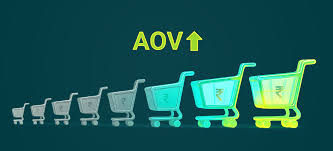
Boosting Your Sales: How to Increase Average Order Value
Ever wonder why some online stores seem to make customers buy more each time they shop? It’s not magic. It’s smart strategy. Many business owners feel stuck when sales don’t grow. They want more money from each customer visit. This guide will show you simple ways to get that done. We’ll explore how to help your customers find more value. This makes them happy to spend a little more.
Increasing average order value (AOV) means getting customers to spend more per purchase. This boosts revenue without needing more customers. Focus on customer needs, offer valuable add-ons, and use smart selling tactics. This guides you through easy steps for higher sales.
What is Average Order Value and Why Does It Matter?
Average order value, or AOV, is a key number for any business. It tells you how much people spend on average each time they buy something. To find it, you divide your total sales by the number of orders. For example, if you had $1,000 in sales and 50 orders, your AOV is $20.
Why is this number so important? Because growing your AOV is often easier than finding new customers. New customers cost money to get. Existing customers already know and trust you. Making them buy a bit more is a win-win. It helps your business grow and makes your customers feel like they got a great deal.
Think about it like this: If you sell shoes and your AOV is $50, you need 100 orders to make $5,000. If you can raise your AOV to $60, you only need about 83 orders to make the same $5,000. That’s fewer orders to manage and fulfill. It also means your marketing efforts are more effective. You’re getting more money for the same amount of work.
How to Calculate Your Average Order Value
The formula is simple and straightforward:
Total Revenue / Number of Orders = Average Order Value
Let’s break it down with an example. Imagine a small bakery.
In one month, they made $8,000 in total sales.
They had 200 customer orders.
Using the formula: $8,000 / 200 orders = $40 AOV.
So, on average, each customer spent $40 at the bakery. Now, the bakery owner wants to increase that $40.
The Power of Knowing Your Customer
Before you can get people to spend more, you need to understand why they buy from you. What problems do you solve for them? What are their dreams or desires? When you know this, you can offer them things they will actually want and need.
It’s like talking to a friend. You don’t just tell them about random things. You talk about what matters to them. You listen to their worries and their joys. Business is the same.
I remember talking to a small online clothing store owner. She was selling beautiful dresses. She noticed that many people bought a dress for a special event. They would then email asking if she had matching scarves or jewelry. She was missing a big chance! By listening to those customer emails, she learned that her customers wanted to complete their look.
This kind of insight is gold. It tells you what related items people are already thinking about. You can then proactively offer those items. This makes the shopping experience smoother for them. It also naturally leads to a higher order value.
Understanding Customer Needs
What do your customers really want?
Convenience: Do they want things made easy? Are they busy?
Solutions: Are they looking to fix a problem?
Joy or Happiness: Are they buying something for fun or to feel good?
Status or Identity: Are they buying to show who they are or what they like?
When I worked with a tech gadget store, we saw lots of people buying single headphones. Many asked if they were compatible with certain phones or if there was a charging stand. We realized they wanted a full audio setup. We started suggesting compatible cases and charging docks with the headphones. Sales went up, and so did the average spend.
Smart Ways to Increase Average Order Value
Now, let’s get to the practical steps. These are proven methods that work for many types of businesses.
1. Bundling Products Together
Bundling is a classic. It means grouping related items and selling them as a set. This often comes with a slight discount compared to buying each item alone.
Think about a skincare brand. They might sell a cleanser, toner, and moisturizer. Individually, these might cost $20, $25, and $30. That’s $75. But if they offer a “Daily Skincare Set” for $65, it looks like a great deal.
Customers feel they are saving money. They also get a complete solution without having to pick each item separately. This makes their decision easier and encourages them to buy the set.
Bundling Ideas: Quick Guide
- What to Bundle: Items that are used together or bought together often.
- Pricing: Offer a small discount on the bundle price.
- Example: A coffee maker + coffee beans + filters = “Morning Brew Kit.”
- Benefit: Simplifies choice, offers perceived savings, increases AOV.
My Experience with Bundles
I once helped a small coffee shop owner. She sold bags of her special coffee beans. She noticed many customers also bought a mug. So, we created a “Perfect Morning” bundle. It included a bag of coffee beans and a nice ceramic mug. We priced it at a little less than buying them separately.
The result? Customers loved the convenience. They didn’t have to pick out a mug. They got a nice package deal. Her average order value for this specific offering shot up. It was a simple change that made a big difference.
2. Offering Complementary Products (Cross-selling)
This is similar to bundling but often involves suggesting items that go well with what the customer is already buying. It’s about showing customers what else they might like.
If someone is buying a new laptop, what else do they need?
A laptop bag
A wireless mouse
A screen protector
An extended warranty
You can show these items on the product page or in the shopping cart. “Customers who bought this also bought.” is a common phrase you see online.
This works best when the suggestions are truly helpful. If you sell hiking boots, suggest good hiking socks. If you sell a camera, suggest memory cards and a carrying case.
Cross-selling in Action
I saw a home goods store doing this really well. A customer added a beautiful duvet cover to their cart. On the same page, they suggested matching pillow shams. Then, in the checkout, they showed a soft, comfy throw blanket that would look great on the bed.
Each suggestion was logical and added to the overall “bedroom look” the customer was creating. It wasn’t pushy. It felt helpful. And it definitely made people add more items to their basket.
3. Suggesting Upgraded or Premium Versions (Upselling)
Upselling is about convincing a customer to buy a more expensive version of the item they are considering. This version usually offers better features, quality, or benefits.
For example, if someone is looking at a standard smartphone, you might show them the “Pro” model. You’d highlight its better camera, faster processor, or larger storage.
The key here is to show genuine added value. Why is the premium version worth the extra money? It’s not just about being more costly. It’s about offering a superior experience.
Upselling a Better Experience
I was buying a pair of noise-canceling headphones. The basic model was good. But the salesperson showed me the “Studio” model. They explained it had even better sound quality, more comfortable earcups, and longer battery life. They let me try them both.
The difference was noticeable. The better sound made music richer. The comfort was amazing. The extra $70 felt worth it for the improved experience. The salesperson didn’t just push the expensive one. They showed me why it was better. That made the decision easy for me.
Upselling vs. Cross-selling: Know the Difference
- Upselling: Offering a better, more expensive version of the same product. (Example: Standard TV vs. 4K Smart TV)
- Cross-selling: Offering related or complementary products. (Example: TV remote control, wall mount for the TV)
- Goal: Both aim to increase the total purchase amount.
- Effectiveness: Both are powerful when done thoughtfully.
4. Implementing a Minimum Order for Free Shipping
Free shipping is a huge motivator for online shoppers. Many will add items to their cart just to reach a free shipping threshold.
Set a minimum amount that customers need to spend to get free shipping. Make sure this number is slightly higher than your current AOV. For example, if your AOV is $50, you might offer free shipping for orders over $75.
This is a very direct way to encourage people to add more to their cart. It taps into the desire for a “deal” and removes the cost of shipping.
Free Shipping Threshold Strategy
A friend of mine runs an online bookstore. Her average order value was around $30. She offered free shipping on orders over $50. She saw a clear jump in her order totals when she promoted this. People who were going to buy one book would often add a second or a bookmark to reach the $50 mark.
She made sure the $50 threshold wasn’t too high. If it felt impossible to reach, people would just pay for shipping or leave. It needs to feel achievable.
5. Creating Loyalty Programs and Rewards
When customers feel valued, they tend to spend more. Loyalty programs reward repeat purchases. This can be points for every dollar spent, exclusive discounts for members, or early access to new products.
If customers know they will get something back for spending more, they are more likely to do so.
Points System: Earn 1 point for every $1 spent. 100 points = $5 off next order.
Tiered Rewards: Bronze, Silver, Gold levels with increasing benefits.
Exclusive Access: Members-only sales or new arrivals.
Building Loyalty
I’m part of a coffee shop’s loyalty program. I get a stamp for every coffee I buy. After 10 stamps, I get a free one. It’s a simple system. But it makes me feel good about choosing their shop over another. I might even buy a pastry with my coffee because I’m already there and I know I’ll get a reward soon. This encourages me to spend more during the visit.
6. Offering Limited-Time Deals and Promotions
Urgency can be a powerful tool. Limited-time offers encourage quick decisions. This can lead to customers adding items they might have otherwise thought about later.
“Flash Sale: 20% off all items for the next 24 hours!”
“Buy one, get one 50% off on select products this weekend only!”
“Spend $100 and get a free gift!”
These promotions create excitement. They make people feel like they need to act fast to get a good deal. This often leads to larger purchases.
7. Personalizing Product Recommendations
This is where technology really shines. By looking at a customer’s past purchases, browsing history, and even items they’ve added to their wishlist, you can suggest products they are highly likely to be interested in.
This is much more effective than generic suggestions. If someone frequently buys organic dog food, recommending premium organic dog treats is a smart move.
Personalization Example
Many streaming services do this well. Based on what you watch, they suggest new shows or movies. You trust their recommendations because they usually get it right.
In e-commerce, this translates to “Recommended for You” sections. Or emails with subject lines like, “We Think You’ll Love These.” When recommendations are accurate, customers feel understood. They are more likely to click and buy.
Personalization Tools
- E-commerce Platforms: Many have built-in recommendation engines.
- Email Marketing Software: Can segment lists and send targeted offers.
- CRM Systems: Help track customer behavior for better insights.
- AI Tools: Advanced systems for highly specific recommendations.
8. Improving Your Website’s User Experience (UX)
A confusing or slow website will drive customers away, no matter how good your offers are. A smooth, easy-to-navigate site makes it simple for customers to find what they want and add more items to their cart.
Clear Navigation: Easy-to-find menus and search bar.
Fast Loading Speeds: Pages that load quickly.
Mobile-Friendly Design: Works well on phones and tablets.
Simple Checkout Process: Few steps, easy payment options.
If the path to purchase is difficult, customers will abandon their carts. If it’s easy and pleasant, they are more likely to browse longer and buy more.
A Smooth Checkout Experience
I recently bought some vitamins online. The checkout process was incredibly simple. They asked for my shipping info, payment, and a quick confirmation. It took maybe 60 seconds. They didn’t try to upsell me aggressively at the very end. They just made it easy to pay. This made me feel good about the company. I’d happily shop there again and might explore more products next time because the process was so hassle-free.
9. Encouraging Product Reviews and Social Proof
People trust what other people say. Positive reviews and testimonials build confidence in your products. When customers see that others are happy with their purchases, they are more likely to buy more themselves.
Ask customers for reviews after they receive their order.
Display star ratings prominently.
Share customer photos or videos using your products.
This social proof shows that your products are not only good but also loved by others. This reduces buyer hesitation and can encourage larger purchases or more frequent shopping.
Real-World Scenarios and Habits
Let’s look at how these strategies play out in different situations.
Scenario 1: The Busy Parent Buying School Supplies
A parent needs to buy notebooks, pens, and a backpack for their child.
Cross-selling: Suggesting pencil cases, rulers, and lunch boxes that match the backpack.
Bundling: Offering a “Back-to-School Essentials Kit” with all the basic supplies.
Free Shipping Threshold: “Free shipping on orders over $50!” might encourage them to add art supplies or a new water bottle.
User Experience: A clear “School Supplies” section makes finding items fast.
The parent is often stressed for time. Making it easy to get everything they need in one place is a huge plus. They’ll happily add a few extra items if it means fewer shopping trips.
Scenario 2: The Home Decor Enthusiast
Someone is looking for a new lamp for their living room.
Cross-selling: Showing matching end tables, decorative pillows, or floor rugs.
Upselling: Offering a “deluxe” version of the lamp with smart features like dimming or color control.
Personalization: Recommending lamps in styles they’ve previously browsed (e.g., modern, farmhouse).
Social Proof: Showing photos of the lamp in beautiful room settings with happy customer comments.
This customer is likely looking to create a specific aesthetic. They are open to suggestions that enhance their home’s look and feel.
Scenario 3: The Fitness Buff Buying Supplements
A customer is buying protein powder.
Bundling: Offering a “Post-Workout Recovery Pack” with protein powder, BCAAs, and an energy bar.
Cross-selling: Suggesting a shaker bottle, creatine, or pre-workout supplements.
Upselling: Recommending a larger, more cost-effective tub of protein powder or a premium brand.
Loyalty Program: “Earn double points on all supplement purchases this week!”
This customer often has specific fitness goals. They are looking for products that support their routine. They might be open to trying new, complementary products that aid their performance or recovery.
What This Means for Your Business
Understanding these strategies isn’t just about learning new terms. It’s about seeing opportunities.
When an Increase is Normal
It’s normal for your AOV to fluctuate slightly. Seasonal sales, holidays, or specific promotions can naturally push it up. What’s important is a consistent upward trend over time.
If you implement a new bundling strategy or a free shipping offer, you should see a direct impact. It’s a good sign when customers react positively to these offers.
When to Worry (or Re-evaluate)
If your AOV is stagnant or declining, it’s time to look closely.
Are your prices too high? Customers might be sticking to essentials.
Is your website confusing? People can’t buy more if they can’t find things.
Are your recommendations off? Suggesting unrelated items annoys customers.
Is your competition offering better deals?
Are customers leaving items in their cart? This indicates a problem in the checkout or a perceived lack of value.
It’s also important to ensure your “free shipping” or “bundle” prices are still profitable. Don’t give away too much margin.
Simple Checks You Can Do
Check your analytics: Look at your AOV trends. Compare it to previous periods.
Review your product pages: Are cross-sell and upsell suggestions clear and relevant?
Test your checkout: Go through the entire process yourself. Is it easy?
Read customer feedback: What are people saying in reviews or support tickets?
Quick Fixes and Tips for Boosting AOV
Here are some fast-acting ideas to try:
Add a “Frequently Bought Together” section to your product pages.
Implement a pop-up offer in the cart: “Add X to get free shipping!”
Create simple product bundles for your bestsellers.
Train your sales team (if applicable) on simple upselling and cross-selling techniques.
Offer a small discount for signing up* to your email list, encouraging them to add more to their first order.
Remember, the goal is to add value for the customer. When they feel they are getting more for their money or a more complete solution, they are happy to spend more.
Frequently Asked Questions
What is the easiest way to increase average order value?
The easiest way is often to implement a minimum order threshold for free shipping. Many customers will add items to their cart to qualify for this.
How often should I update my AOV strategies?
You should monitor your AOV regularly, perhaps weekly or monthly. Update your strategies as needed based on performance and customer feedback. Trying new offers or bundles can be done quarterly.
Is it better to upsell or cross-sell?
Both are effective, but they serve different purposes. Upselling offers a better version of what they want. Cross-selling offers related items. The best approach often uses both, carefully chosen based on the customer’s current interest.
How do I know what price to set for a product bundle?
Set the bundle price lower than the total cost of the individual items. The discount should be appealing but still allow for a good profit margin. Test different price points to see what works best.
Can small businesses effectively increase their AOV?
Yes! Small businesses can excel at AOV growth by focusing on strong customer relationships and personalized recommendations. Even simple bundles or a clear free shipping offer can make a big difference.
What if my customers complain about being asked to buy more?
Ensure your suggestions feel helpful, not pushy. Frame them as solutions or enhancements. For instance, instead of “Buy this too,” say “This works perfectly with that.” If complaints persist, re-evaluate the relevance and timing of your offers.
Final Thoughts
Boosting your average order value is a smart way to grow your business. It’s about making your existing customers happy. It’s about showing them more of what they might love. Focus on understanding their needs. Then, offer helpful suggestions. Use bundles, upsells, and smart promotions. Make their shopping journey smooth and rewarding. Little changes can lead to big results over time. Keep testing, keep learning, and watch your sales grow.