You’ve poured your heart and soul into your online store. Sales are happening, and that’s fantastic! But now you’re thinking, “What’s next?” You want more than just quick wins.
You want your eCommerce business to thrive for years. It feels like a big question, doesn’t it? How do you ensure your online shop doesn’t just survive, but truly grow and succeed over the long haul?
Let’s explore how to build that solid foundation.
Long term eCommerce growth is about building a loyal customer base and a strong brand. It involves smart marketing, understanding your customers deeply, and planning for sustainable scaling. Focus on customer retention, diversifying your offerings, and adapting to market changes.
This approach creates a resilient business that can weather any storm.
Building a Lasting eCommerce Business
Growing an online store feels exciting. You see the numbers go up. But the real magic happens when that growth is steady and strong.
It’s like tending a garden. You water it, give it sunlight, and pull out weeds. Eventually, it blooms and keeps blooming.
Many online shops focus on short bursts of sales. Maybe a big holiday sale or a flash promotion. These are good!
They bring in cash. But they don’t always build a loyal fan base. For real growth, you need a plan that looks ahead.
You want people to choose your store again and again. This means thinking about more than just the next sale.
It’s about creating an experience. It’s about trust. It’s about showing people you care about them, not just their money.
This deep connection is what fuels lasting eCommerce success. We’ll break down the key pieces that make this happen.
The Pillars of Sustainable eCommerce Growth
Imagine building a house. You need strong pillars to hold it up. eCommerce growth is the same.
There are core ideas that support your business for the long run. We’re talking about more than just adding new products or running more ads. These are the deeper strategies.
Think about the most loved brands you know. They aren’t just about one good product. They have a feeling.
They have a reputation. They make you feel something. That’s what we aim for.
We want to create that for your online store.
The first pillar is knowing your people. Who are they really? What do they need?
What makes them happy? The second is making them want to come back. This is about more than a discount.
It’s about feeling valued. The third is being smart with your money and time. Grow in ways that make sense.
Don’t just grow for the sake of growing.
Finally, you need to be ready for change. The online world moves fast. What works today might not work tomorrow.
Being flexible is key. These pillars work together. They help your business stand tall, no matter what.
Deeply Understanding Your Customer
This is where it all begins. You might think you know your customers. You see their orders.
You know their names. But do you know their dreams? Do you know their frustrations?
Knowing your customer on a deeper level is the bedrock of long term eCommerce growth. It’s not just about demographics like age or location. It’s about their psychographics – their values, their interests, their lifestyle.
I remember working with a small clothing boutique online. They sold beautiful dresses. Sales were okay.
But they weren’t growing fast. We spent time talking to their customers. Not just asking about the dresses.
We asked what events they bought them for. We asked what made them feel good when they wore them. We learned their customers wanted to feel confident and elegant for special occasions.
This insight changed everything. They started creating content around styling for events. They sent emails with tips on accessorizing.
They even started a small community group for customers to share their event outfits. Sales didn’t just jump. They became more consistent.
Customers felt seen and understood. This is the power of true customer understanding.
How do you get this insight?
- Surveys: Ask specific questions after a purchase or when they sign up.
- Social Media Listening: See what people are saying about your brand and your industry online.
- Customer Service Interactions: Your support team hears everything. What are the common questions or complaints?
- Analyze Purchase Data: Look beyond what they buy.
Look at what they buy together. What are their buying patterns?
When you truly understand your customer, you can tailor everything to them. Your marketing messages, your product recommendations, even your website design. It’s like speaking their language.
And people respond to that.
Cultivating Customer Loyalty and Retention
Getting a new customer is great. Keeping an existing one is gold. Why?
Because loyal customers spend more. They recommend you to friends. They are less likely to be swayed by a competitor’s discount.
This is the engine of sustainable eCommerce growth. We call it customer retention.
Think about your own favorite stores. Do you go there because they have the absolute lowest prices? Or is it because you trust them?
Because you know you’ll find what you need? Because the service is good? That’s loyalty.
It’s built over time through positive experiences.
For my friend Sarah, who runs an online craft supply store, this was a game-changer. She used to focus heavily on getting new crafters to find her site. But many only bought once.
She started a loyalty program. Every purchase earned points. Points could be redeemed for discounts or special craft kits.
She also started a monthly newsletter with exclusive project ideas and early access to new supplies.
What happened? Her repeat customer rate went up by 40%. People felt appreciated.
They had a reason to come back. They felt like part of a community of makers. This wasn’t just about selling more glue sticks.
It was about fostering a shared passion and rewarding that passion.
Here’s how you can build that loyalty:
Loyalty Building Blocks
Reward Programs: Points, tiered rewards, exclusive discounts for members.
Exceptional Customer Service: Quick, friendly, and helpful support.
Personalized Communication: Emails and offers based on past purchases or browsing history.
Community Building: Forums, social media groups, user-generated content.
Surprise and Delight: Small unexpected gifts or notes with orders.
Focusing on your existing customers means your business grows on a strong foundation. It’s more cost-effective than constantly acquiring new ones. And it creates a more stable revenue stream.
This is crucial for long term eCommerce success.
Smart Marketing for Long-Term Impact
Marketing in eCommerce can feel overwhelming. There are so many channels: social media, search engines, email, influencers. For long term growth, we need a strategy that isn’t just about immediate clicks.
It’s about building brand awareness and creating consistent demand over time.
Many businesses fall into the trap of “shiny object syndrome” with marketing. They jump on every new platform or trend. But for lasting growth, consistency and focus are more important.
We need to build channels that deliver results day in and day out.
My cousin Mark, who sells outdoor gear online, learned this the hard way. He spent a fortune on Facebook ads. They brought in sales, but when he stopped spending, the sales stopped.
It was like a tap he had to keep open. He felt stuck. Then he started focusing on Search Engine Optimization (SEO).
He worked hard to get his website to rank higher in Google searches for terms like “best hiking boots” or “lightweight camping tents.”
It took time. Months, actually. But once his site started ranking, he saw a huge difference.
People searching for his products found him. They were often ready to buy. This traffic was “organic” – it didn’t cost per click.
It was a steady stream of potential customers interested in what he offered. He also focused on building an email list. He offered a small discount for signing up.
This list became his most valuable marketing asset. He could directly communicate with people who had already shown interest.
Here are key marketing areas for long term impact:
Marketing That Lasts
SEO (Search Engine Optimization): Making your website visible on search engines like Google. This brings in free, high-intent traffic over time.
Content Marketing: Creating helpful articles, videos, or guides related to your products. This attracts and educates potential customers.
Email Marketing: Building and nurturing a list of subscribers. It’s direct, personal, and highly effective for repeat business.
Social Media Marketing: Building a community and engaging with your audience. Focus on platforms where your customer spends time.
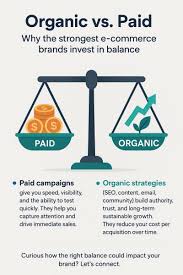
Paid Advertising (Strategic): Use platforms like Google Ads or social media ads to reach specific audiences, but with a clear ROI goal and long-term strategy.
The goal is to build marketing channels that work for you even when you’re not actively paying for clicks. This creates a more robust and profitable business. It ensures you’re not reliant on one single source of traffic or sales.
Diversifying Your Product and Revenue Streams
Relying on just one product or one type of sale can be risky. What if demand for that one item drops? What if a new competitor enters the market?
Diversification is about spreading your risk and creating more opportunities for growth. It’s a cornerstone of long term eCommerce success.
This doesn’t mean selling random things. It means strategically expanding your offerings. Think about what your existing customers might need or want next.
Or explore related product categories that align with your brand.
I once helped a small business that sold artisanal coffee beans. They were doing well. But they realized many of their customers were also interested in coffee brewing equipment.
So, they started adding high-quality grinders, pour-over kits, and reusable filters. They didn’t just tack them on. They curated the selection carefully.
They wrote guides on how to use the equipment with their beans.
This had a two-fold effect. First, they captured more of the customer’s spending. Instead of buying beans from you and a grinder from somewhere else, they could get both.
Second, it strengthened their brand as a “coffee expert” destination. They became a one-stop shop for serious coffee lovers. This increased their average order value and their customer lifetime value.
It also provided a buffer. If bean prices fluctuated, their equipment sales helped stabilize revenue.
Consider these diversification tactics:
Diversification Strategies
Complementary Products: Offering items that go well with your current bestsellers.
Service-Based Offerings: If you sell physical products, could you offer consulting, workshops, or repair services?
Subscription Boxes: Curated recurring deliveries of your products or related items.
Digital Products: Ebooks, courses, templates, or software related to your niche.
Brand Extensions: Developing new product lines under your brand that appeal to a similar audience.
Diversification isn’t just about making more money. It’s about making your business more resilient. It shows you can adapt and grow by understanding your market deeply and meeting more of your customer‘s needs.
The Power of Data and Analytics
If you’re not measuring, you’re guessing. And guessing is a poor strategy for long term eCommerce growth. Data is your compass.
It tells you what’s working, what’s not, and where to focus your energy and resources. Modern online businesses thrive on insights drawn from their data.
Many store owners look at their sales numbers. That’s a start. But there’s so much more to uncover.
What pages do people visit before they buy? Where do they drop off in the checkout process? Which marketing campaigns bring in the most valuable customers, not just the most clicks?
Answering these questions can dramatically improve your business.
I recall a client who was struggling with their conversion rate. They were getting lots of traffic, but few sales. We dug into their Google Analytics.
We saw that a huge number of people were landing on their product pages but then leaving without adding anything to their cart. Further analysis showed that the “add to cart” button was hard to find on mobile devices. It was a small detail, but it was costing them a lot of potential sales.
Once they fixed the button placement, their conversion rate saw a significant jump. It was a data-driven decision that made a real impact.
Key data points to track:
Key Data Metrics
Website Traffic Sources: Where are your visitors coming from (Google, social media, direct)?
Conversion Rate: The percentage of visitors who complete a desired action (like making a purchase).
Average Order Value (AOV): The average amount spent per order.
Customer Lifetime Value (CLTV): The total revenue a single customer is expected to generate over their relationship with your business.
Bounce Rate: The percentage of visitors who leave your site after viewing only one page.
Cart Abandonment Rate: The percentage of shoppers who add items to their cart but don’t complete the purchase.
Use tools like Google Analytics, your eCommerce platform’s built-in reports, and specialized heat-mapping software. Regularly review this data. Look for trends.
Identify bottlenecks. And use these insights to make informed decisions about your marketing, your website, and your product offerings. This is how you build a truly data-driven, growth-focused business.
Adapting to Market Changes and Technology
The eCommerce landscape is not static. It’s a dynamic environment. New technologies emerge.
Customer behaviors shift. Competitors evolve. For your business to survive and thrive long term, you must be adaptable.
You need to be ready to pivot when necessary.
I’ve seen businesses fade because they refused to change. They were comfortable with what worked. But the world moved on.
Conversely, I’ve seen others innovate and leapfrog their competition. They embraced new ways of reaching customers or new ways of delivering products.
Consider the rise of mobile commerce. Ten years ago, shopping on a phone wasn’t as common. Now, for many businesses, it’s the primary way people shop.
Stores that didn’t optimize their websites for mobile fell behind. Those that embraced responsive design and mobile-first thinking saw their sales soar. That’s adaptation.
Another example is the increasing demand for sustainable and ethical practices. Consumers are more aware. They want to buy from brands that align with their values.
Businesses that proactively adopt eco-friendly packaging, ethical sourcing, or transparent supply chains build trust and attract a growing segment of the market.
How can you stay agile?
Staying Agile
Stay Informed: Follow industry news, read blogs, attend webinars. Keep up with new tools and trends.
Listen to Customers: Their feedback is a goldmine for understanding changing needs.
Experiment: Don’t be afraid to try new marketing tactics, features, or product lines on a small scale.
Invest in Technology: Explore tools that can automate processes, improve customer experience, or provide better data insights.
Foster a Learning Culture: Encourage yourself and your team to constantly learn and adapt.
Adaptability isn’t about chasing every new fad. It’s about being observant, strategic, and willing to evolve. It’s about ensuring your business remains relevant and competitive in the long run.
This forward-thinking approach is what separates fleeting success from enduring growth.
Building a Strong Brand Identity
Beyond products and promotions, your brand is what people remember. It’s the personality of your online store. A strong brand identity makes you stand out.
It helps customers connect with you on an emotional level. This emotional connection is a powerful driver for long term eCommerce growth.
What makes a brand strong? It’s more than just a logo. It’s your mission.
It’s your values. It’s the tone of your communication. It’s the visual style of your website and marketing.
Consistency is key. When your brand message and feel are consistent across all touchpoints, people begin to trust you. They know what to expect.
Consider a brand that sells handmade soaps. Their packaging might be natural and earthy. Their website copy might be warm and inviting.
Their social media might feature behind-the-scenes videos of the soap-making process. All these elements work together to create a distinct brand. A customer who values natural ingredients and a personal touch will be drawn to this.
They won’t just buy soap; they’ll buy into the lifestyle and values the brand represents.
My friend, who started an online bookstore specializing in rare and vintage books, has a fantastic brand. Her website looks like an old library. Her email newsletters are written in a classic, slightly formal tone.
She often includes handwritten notes with her orders. This isn’t just about selling books; it’s about celebrating the love of literature and the joy of discovery. People who feel that passion are more likely to become repeat customers and recommend her shop.
To build a strong brand:
Brand Identity Elements
Mission & Values: What drives your business? What principles do you stand for?
Brand Voice: The personality of your communication (e.g., friendly, professional, witty, educational).
Visual Identity: Logo, color palette, typography, imagery style.
Customer Experience: How do people feel when they interact with your brand?
Storytelling: What is the narrative behind your brand and products?
A well-defined brand identity attracts the right customers. It fosters loyalty and makes your business memorable. It’s an intangible asset that contributes immensely to sustainable growth.
It’s about creating more than just a transaction; it’s about creating a relationship.
Focusing on User Experience (UX)
Your website is your digital storefront. If it’s difficult to navigate, slow to load, or confusing to use, people will leave. And they probably won’t come back.
A great user experience (UX) is fundamental for keeping visitors happy and turning them into buyers. This directly impacts your long term eCommerce growth.
Think about the last time you visited a clunky, frustrating website. Did you stick around? Probably not.
You likely went to a competitor’s site that was easy to use. For eCommerce, UX isn’t a nice-to-have; it’s a must-have.
What makes a good UX? Simplicity. Speed.
Clarity. Ease of use. People want to find what they need quickly.
They want a smooth checkout process. They want to feel confident that their information is safe.
I remember a client who had a beautiful product catalog. But their website was a nightmare to browse. Product descriptions were long and hard to scan.
The search function barely worked. The checkout process involved too many steps. We conducted usability testing.
We watched real people try to use the site. It was eye-opening. They saw where people got stuck.
They saw the frustration on their faces. After redesigning with a focus on UX, their sales increased noticeably. People could finally find and buy the amazing products they offered.
Key elements of good UX:
UX Essentials
Fast Loading Speeds: Optimize images and code to ensure quick page loads.
Mobile Responsiveness: Your site must look and work perfectly on all devices (phones, tablets, desktops).
Intuitive Navigation: Clear menus and site structure make it easy to find products.
Simple Checkout Process: Minimize steps and distractions during checkout.
High-Quality Product Images and Descriptions: Help customers understand what they are buying.
Clear Call-to-Actions: Buttons like “Add to Cart” or “Buy Now” should be prominent and easy to click.
Investing in your website’s user experience is investing in your business’s future. A happy user is a potential customer. A frustrated user is a lost opportunity.
Making your site easy and enjoyable to use is a direct path to more sales and greater customer satisfaction, fueling long term growth.
Leveraging Automation and Technology
As your eCommerce business grows, manual tasks can become bottlenecks. They take up valuable time that could be spent on strategy and growth. Embracing automation and the right technology is crucial for scaling efficiently and maintaining long term momentum.
Think about repetitive tasks. Sending order confirmations. Responding to common customer questions.
Managing inventory levels. Manually doing these things for a few orders is fine. But as you get hundreds or thousands, it becomes impossible.
Automation can handle these tasks reliably and quickly.
I worked with a business that sold custom t-shirts. They were getting swamped with emails asking about shipping times and order status. They implemented an automated email system.
Once an order was placed, the system automatically sent a confirmation. When the order shipped, it automatically sent tracking information. This freed up their customer service team.
They could then focus on more complex inquiries or proactively reach out to customers.
Technology also helps you gain deeper insights. Advanced analytics tools can reveal patterns in customer behavior. CRM (Customer Relationship Management) software can help you manage customer interactions and personalize communications.
Inventory management systems prevent stockouts or overstocking.
Here are areas where automation shines:
Automation Opportunities
Email Marketing Automation: Welcome series, abandoned cart reminders, post-purchase follow-ups.
Order Management: Automated confirmations, shipping notifications, returns processing.
Customer Service: Chatbots for common queries, automated FAQs.
Inventory Management: Real-time stock updates, low-stock alerts.
Marketing: Automated social media posting, targeted ad campaigns.
By strategically using automation and technology, you can streamline operations, improve efficiency, and enhance the customer experience. This allows your business to scale more effectively and sustainably. It’s about working smarter, not just harder, to achieve long term success.
When is This Normal, and When Should You Worry?
It’s important to understand that growth isn’t always a straight line. There will be fluctuations. Some changes are perfectly normal.
Others might signal a problem that needs attention.
Normal Growth Fluctuations:
- Seasonal Peaks and Valleys: Sales often increase around holidays (like Christmas, Black Friday) and decrease during slower months. This is typical for most retail businesses.
- Temporary Drops After Promotions: If you run a big sale, sales might dip slightly afterward as customers wait for the next deal.
- New Product Launch Jitters: Sometimes a new product might not take off immediately. It takes time for customers to discover and adopt it.
- Minor Website Traffic Changes: Small ups and downs in daily website visitors are common due to various online factors.
When to Worry and Investigate:
- Consistent Decline in Sales: If sales are steadily dropping month over month, it’s a major red flag.
- Decreasing Website Traffic Without Clear Cause: If your marketing efforts are the same but fewer people are visiting your site, something is wrong (e.g., SEO issues, competitor gains).
- Rising Cart Abandonment Rate: If more people are leaving checkout than before, there might be a problem with your checkout process or shipping costs.
- Negative Customer Feedback Trend: A sudden increase in complaints about product quality, shipping, or service needs immediate attention.
- Loss of Key Customers: If several of your best customers stop buying, try to understand why.
- Competitors Outpacing You Significantly: If competitors are growing much faster and you’re unsure why, it’s time for a competitive analysis.
The key is to monitor your metrics regularly. Establish a baseline for what “normal” looks like for your business. This way, you can quickly spot deviations that require deeper investigation and proactive solutions.
Early detection is vital for preventing small issues from becoming big problems.
Quick Tips for Driving Long Term eCommerce Success
Sometimes, small, consistent actions can have a big impact over time. These aren’t complex strategies, but they are foundational to building a lasting business.
- Respond to Every Customer Review: Good or bad, show you care and are listening.
- Keep Your Product Information Up-to-Date: Accurate descriptions and images build trust.
- Offer Multiple Payment Options: Make it easy for people to pay how they prefer.
- Optimize for Speed on All Devices: A slow site loses customers. Test it often.
- Collect Customer Feedback Regularly: Use surveys or simple follow-up emails.
- Personalize Your Communications: Use customer names and reference past purchases.
- Stay Organized with Inventory: Avoid selling items you don’t have.
- Learn One New Marketing Tactic Each Quarter: Keep improving your reach.
- Focus on Building Relationships, Not Just Transactions: People buy from brands they connect with.
- Review Your Website Analytics Weekly: Understand what’s happening on your site.
Frequently Asked Questions about Long Term eCommerce Growth
What is the most important factor for long term eCommerce growth?
The most important factor is building strong customer loyalty and retention. It’s far more cost-effective to keep existing customers than to constantly acquire new ones. Loyal customers also become brand advocates, driving further growth.
How long does it typically take to see long term eCommerce growth?
Long term growth isn’t usually seen overnight. It can take anywhere from 6 months to several years to establish a truly sustainable and growing eCommerce business. Consistency, patience, and a strategic approach are key.
Should I always offer the lowest prices to grow?
Not necessarily. While competitive pricing is important, focusing solely on being the cheapest can lead to a race to the bottom. Long term growth often comes from offering superior value, excellent customer service, a strong brand, and unique products, rather than just the lowest price.
How often should I update my product catalog for growth?
There’s no fixed schedule, but staying relevant is key. Regularly review your product performance. Introduce new products that align with customer needs and market trends.
Remove underperforming or outdated items. Aim for a balance between refreshing your offerings and maintaining consistency.
What role does social media play in long term eCommerce growth?
Social media plays a vital role in building brand awareness, engaging with customers, and fostering a community around your brand. It’s a powerful tool for customer service and for showcasing your brand’s personality, which contributes to loyalty.
How do I balance acquiring new customers with retaining existing ones?
A healthy business needs both. A good rule of thumb is to allocate resources wisely, perhaps focusing more on retention efforts as your customer base grows. Strategies like loyalty programs and personalized communication are excellent for retention, while SEO and targeted ads can bring in new customers.
Conclusion: Your Journey to Lasting eCommerce Success
Building an eCommerce business that lasts is a journey. It requires foresight, dedication, and a genuine connection with your customers. By focusing on understanding them deeply, fostering loyalty, marketing wisely, and staying adaptable, you create a foundation for enduring success.
Remember, growth isn’t just about numbers; it’s about building a valuable brand and a happy customer base that stands the test of time. Keep learning, keep evolving, and enjoy the process!