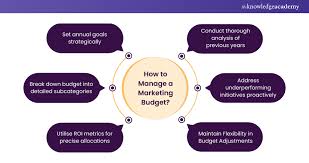
A marketing budget for beginners is a plan for how much money you will spend on marketing activities. It helps you decide where to put your money to reach new customers. This plan includes costs for advertising, online ads, social media, and content creation to grow your business.
Understanding Your Marketing Budget
A marketing budget is your roadmap for spending money to promote your business. It’s not just a number; it’s a strategy. Without a budget, you might spend money randomly.
This can lead to wasted cash and little return. Think of it like planning a road trip. You need to know how much gas money you’ll need.
You also need to decide if you want a fancy hotel or a simple motel.
For beginners, the goal is often to make every dollar count. You want to get the most bang for your buck. This means being smart about where you spend.
It also means understanding what marketing activities are best for your specific business. Not all marketing works for all businesses. Your budget should reflect what will bring you the best results.
Why is this so important? Because marketing is how people find you. It’s how you build your brand.
It’s how you get sales. If you don’t spend money on marketing, your business might stay hidden. You might have the best product or service, but if no one knows about it, it won’t sell.
A good budget ensures you can reach the right people.
What will you learn here? We’ll break down how to figure out how much to spend. We’ll look at common costs.
We’ll talk about ways to track your spending. And we’ll share tips that make budgeting easier and more effective. This will help you feel more confident about your marketing money.
Why a Marketing Budget Matters
Many new business owners focus so much on their product or service. They forget that getting customers is just as key. Marketing is the bridge between your business and your customers.
A budget makes this bridge strong and reliable.
Let’s break down the key reasons why a marketing budget is vital for beginners:
- Financial Control: It stops you from overspending. You know your limits. This prevents financial strain.
- Strategic Focus: It forces you to think about your goals. What do you want to achieve with marketing? More website visits? More sales? Brand awareness?
- Resource Allocation: You decide where your money goes. Should you spend more on social media ads or email marketing? The budget helps you choose.
- Measuring Success: You can track what works. If you spend $100 on Facebook ads and get $500 in sales, that’s good. If you spend $100 and get $50 in sales, you know to change your plan.
- Future Planning: A budget helps you look ahead. You can plan for upcoming campaigns or new product launches.
Imagine trying to build a house without a budget for lumber, nails, or tools. It would be chaos. Marketing is no different.
It requires planned spending.
For beginners, this can be scary. You might feel like you have no money to spare. That’s okay.
We’ll talk about how to start small. The important thing is to start with a plan, no matter how small.
My First Marketing Budget Scare
I remember when I first started my freelance writing business. I was so excited to help clients. I spent all my energy crafting my website and portfolio.
I thought that was enough. Then came the silence. No new clients.
I had no idea how to find them. I felt a knot of panic in my stomach. My rent was due, and I needed work!
I had a small amount of savings. I knew I had to do something. But what?
I looked at online ads, social media boosting, and networking events. It all seemed so expensive. I felt lost.
I ended up trying to do a little bit of everything. I spent $50 on a boosted Facebook post that brought zero leads. I spent another $30 on business cards that mostly sat in my wallet.
It felt like throwing money away. I was frustrated and scared I’d picked the wrong path.
That feeling of wasted money and no results was a tough lesson. It taught me I needed a clear plan. I needed a budget.
I needed to know where to put my limited funds for the best chance of success. It took a few more months and a lot of research before I finally sat down and created a real plan. And that’s what I want to help you do today.
How Much Should You Spend?
This is the million-dollar question, right? How much money should a beginner put into marketing? There’s no single magic number.
It depends on many things. Your industry, your business goals, and your overall financial situation are big factors.
Here are a few common ways businesses figure this out:
Common Budgeting Methods
Percentage of Revenue: Many experts suggest spending 5-15% of your total revenue on marketing. If you expect to make $50,000 in your first year, you might budget $2,500-$7,500. For brand new businesses with no revenue, this is hard to use.
You might use a projected revenue.
Goal-Based Budgeting: What do you want to achieve? If you need 100 new customers in three months, how much will it cost to get one customer? This helps you set a target.
For example, if a customer is worth $500 to you, you might be willing to spend $100 to get them.
Competitor-Based: Look at what similar businesses are spending. This can be tricky. You might not know their exact budgets.
But you can see what they are doing for marketing. Are they running lots of ads? Are they active on many social media platforms?
What You Can Afford: For many beginners, this is the most realistic starting point. Look at your total startup costs. How much money is left for marketing after essential expenses?
It’s better to have a small, well-managed budget than no budget at all.
As a beginner, start small and realistic. You don’t need to spend thousands of dollars right away. Focus on marketing activities that are low-cost but high-impact.
As you start seeing results, you can increase your budget. You’ll also learn more about what works best for your business.
Don’t be afraid to experiment. Marketing is partly an art and partly a science. You’ll need to test different things to see what resonates with your audience.
Your budget should allow for this testing.
Key Marketing Costs to Consider
When you build your budget, you need to know what you might have to pay for. These costs can vary a lot. Some are one-time fees, while others are ongoing.
Typical Marketing Expenses for New Businesses
Website: This is your online home. Costs can include domain name registration (yearly), website hosting (monthly/yearly), and potentially a website builder subscription or a web designer.
Content Creation: This includes writing blog posts, taking photos, making videos, or designing graphics. You might pay for tools, software, or freelancers.
Social Media Marketing: This can involve paid ads on platforms like Facebook, Instagram, or LinkedIn. It also includes tools to schedule posts or analyze your performance.
Email Marketing: You’ll need an email marketing service to send newsletters and promotions. These usually have monthly fees based on the number of subscribers.
Search Engine Optimization (SEO): While much of SEO is about strategy and time, some tools can help. These might track keywords or analyze your website’s performance.
Online Advertising (PPC): This includes ads on search engines like Google. You pay each time someone clicks your ad.
Print Materials: Business cards, flyers, brochures. These have design and printing costs.
Software & Tools: Many marketing tasks can be made easier with software. Think graphic design tools, scheduling apps, or analytics platforms.
As a beginner, focus on the essentials first. A good website is often the most important. Then, consider low-cost digital marketing strategies.
You can often start with organic social media posting and basic email marketing for free or very low cost.
Think about your specific business. Are you a local shop? Print flyers might be key.
Are you an online service? Digital ads will be more important. Your budget needs to match your business type and your customer.
Building Your First Marketing Budget: Step-by-Step
Let’s get practical. How do you actually create this budget? Follow these steps to build a solid plan.
Step 1: Define Your Marketing Goals
What do you want marketing to do for you? Be specific. Instead of “get more customers,” try “gain 50 new paying customers in the next three months.” Or “increase website traffic by 20% in the next quarter.” Clear goals help you know what to aim for and how to measure success.
Your goals should be SMART: Specific, Measurable, Achievable, Relevant, and Time-bound. This makes them real targets.
Step 2: Understand Your Target Audience
Who are you trying to reach? Where do they spend their time online? What are their interests?
Knowing your audience helps you choose the right marketing channels. If your audience is mostly on Instagram, you should focus your budget there. If they read industry blogs, that’s where your ads should appear.
Understanding your audience also helps you craft better messages. What problems can you solve for them? What do they care about?
Step 3: Research Marketing Channels and Costs
Now, look at the channels that fit your audience and goals. Research the costs involved. For example:
- Facebook Ads: What’s the average cost per click (CPC) in your industry?
- Email Marketing Software: Look at pricing plans for Mailchimp, Constant Contact, etc.
- Google Ads: What’s the typical cost per click for keywords related to your business?
- Content Creation Tools: Canva Pro, Adobe Creative Cloud, etc.
Don’t just pick the cheapest option. Pick the option that gives you the best chance to reach your goals. Sometimes paying a bit more for a better tool or platform is worth it.
Quick-Scan: Channel Cost Estimates (Varies Widely)
Social Media Ads: $5 – $20+ per day for basic campaigns.
Email Marketing Service: $0 – $50+ per month (often free for small lists).
Website Hosting: $5 – $30+ per month.
Basic Graphic Design Tool: $0 – $15 per month.
Search Engine Ads (PPC): $0.50 – $3.00+ per click (can be much higher).
Step 4: Estimate Your Total Budget
Based on your research, start assigning numbers. If your goal is to get 50 customers and you estimate it costs $20 to acquire one customer through Facebook ads, that’s $1,000 for that channel. Add up the costs for all the channels you plan to use.
Remember to include a buffer. Things often cost more than you expect. Add 10-15% for unexpected expenses or opportunities.
Step 5: Create a Detailed Spreadsheet
Use a spreadsheet (like Google Sheets or Excel) to list every marketing expense. Categorize them. For example:
- Advertising Costs (Facebook Ads, Google Ads)
- Software Subscriptions (Email, Design Tools)
- Content Creation (Stock Photos, Video Editing)
- Website Maintenance (Domain, Hosting)
Track your planned spending versus your actual spending. This is super important!
Step 6: Track and Adjust
Once you start spending, monitor your results closely. Are your ads bringing in leads? Is your email campaign getting opens?
If something isn’t working, don’t be afraid to stop spending money on it. Shift that money to something that is working better. Your budget is a living document, not set in stone.
Regularly review your budget. Do this weekly or monthly. See where your money is going.
See what you are getting back. This constant checking helps you stay on track.
Common Mistakes Beginners Make with Marketing Budgets
Even with the best intentions, beginners can stumble. Here are some pitfalls to watch out for:
Pitfalls to Avoid
Not Having a Budget at All: This is the biggest mistake. Without a plan, spending is random and often wasteful.
Spending Too Much Too Soon: Investing heavily before understanding your audience or what works can drain your funds quickly.
Not Tracking Results: If you don’t know what’s working, you can’t improve. Track every dollar spent and every result gained.
Focusing Only on Paid Ads: Don’t forget free or low-cost methods like organic social media, SEO, and networking.
Ignoring Your Audience: Marketing to everyone is marketing to no one. Understand who you’re talking to.
Not Being Patient: Marketing results often take time. Don’t give up too quickly on a strategy if it hasn’t had enough time to show results.
I made many of these mistakes early on. I chased shiny new marketing ideas without a clear plan. I spent money on ads that didn’t target the right people.
I didn’t have systems in place to see if that spending was actually leading to sales. It was a cycle of spending and disappointment.
Learning to track and adjust is key. It’s about being flexible and smart with your money. It’s about making your budget work for you, not the other way around.
Budgeting for Different Marketing Activities
Let’s look at how you might allocate your budget across common marketing areas. This is just a guide, and you’ll need to adjust it for your business.
Digital Marketing Focus
For many new businesses, digital marketing is the most accessible and measurable. Here’s a potential breakdown:
Digital Marketing Budget Allocation Example
Website (Design & Maintenance): 15-25%
Social Media Advertising: 20-30%
Search Engine Marketing (PPC): 15-25%
Content Creation (Graphics, Videos, Writing): 10-20%
Email Marketing Software & Strategy: 5-10%
SEO Tools & Resources: 5-10%
This example assumes a focus on getting immediate traffic and leads through paid channels. If your business is more long-term focused, you might put more into content creation and SEO. The percentages will shift based on your industry and goals.
Local Business Marketing
If you have a physical location, your marketing needs might differ. You’ll want to reach people in your area.
Local Business Budget Allocation Example
Local SEO (Google My Business optimization): 10-15%
Local Social Media Ads (geo-targeted): 20-30%
Print Advertising (local papers, flyers): 15-20%
Community Sponsorships/Events: 10-15%
Website & Online Presence: 15-20%
Customer Loyalty Programs/Referrals: 5-10%
For local businesses, building relationships within the community is often very powerful. Don’t underestimate the power of local events and partnerships. These can be cost-effective ways to get noticed.
Low-Cost and Free Marketing Strategies
As a beginner, every dollar counts. You don’t need a huge budget to start marketing effectively. Many powerful strategies are free or very low-cost.
Leveraging Free Tools and Platforms
Here are some fantastic options:
- Google My Business: Essential for local businesses. It’s free to set up and helps people find you on Google Maps and Search.
- Social Media (Organic): Build a presence on platforms where your audience hangs out. Post regularly, engage with followers, and share valuable content.
- Email Marketing (Free Tiers): Many email services offer free plans for small lists. Start collecting emails from day one!
- Content Marketing: Start a blog on your website. Share your expertise. This attracts people looking for solutions you offer.
- SEO Basics: Optimize your website content and structure so search engines can find you. This is a long-term play but free to start learning and applying.
- Networking: Attend industry events (online or in-person). Talk to people. Build relationships.
- Online Directories: List your business in relevant online directories.
These strategies take time and effort, but they can build a strong foundation without costing much money. The return on investment in terms of trust and relationships can be huge.
Measuring Your Marketing ROI
ROI stands for Return on Investment. It tells you if your marketing spending is making you money. For beginners, this is critical.
You need to know if your efforts are paying off.
Here’s a simple way to think about it:
ROI = (Revenue Generated from Marketing – Cost of Marketing) / Cost of Marketing * 100%
Let’s say you spend $500 on a Facebook ad campaign. That campaign brings in $2,500 in sales directly from those ads. Your ROI would be: (2500 – 500) / 500 * 100% = 400%.
That’s a great return!
To measure this, you need to track where your customers come from. Use:
- Website Analytics: Tools like Google Analytics show you how people find your site.
- CRM (Customer Relationship Management) Software: Helps track leads and sales from specific campaigns.
- Asking Customers: Simple surveys or asking “How did you hear about us?” can provide valuable insights.
- Unique Promo Codes: Offer different codes for different campaigns to see which one leads to sales.
If you’re not tracking, you’re flying blind. You won’t know what to repeat or what to change.
When to Adjust Your Marketing Budget
Your marketing budget isn’t static. It needs to grow and change with your business.
Signs You Need to Adjust
Positive ROI: If a campaign is consistently making you more money than it costs, consider increasing its budget. Double down on what works.
New Opportunities: A new marketing platform emerges, or a competitor pulls back. This might be a chance to invest.
Changing Goals: If your business goals shift (e.g., from brand awareness to direct sales), your budget allocation should follow.
Underperforming Channels: If a channel consistently shows a negative ROI or poor results, reduce or eliminate its budget.
Business Growth: As your revenue increases, your marketing budget can and should increase proportionally to keep growing.
I learned this when one of my blog post topics started getting a lot of organic traffic. Instead of just letting it be, I decided to spend a small amount of money to promote it further. I boosted the post on social media and even ran a small Google Ad campaign pointing to it.
That small investment brought in a flood of new, engaged readers and even a few client inquiries. It showed me the power of identifying a winning strategy and scaling it.
Frequently Asked Questions
What is a good marketing budget for a brand new business with no sales yet?
For a brand new business with no sales, focus on what you can afford. Start with essential online presence costs like a website domain and hosting. Then, allocate a small portion, perhaps $50-$200 per month, to test low-cost digital strategies like organic social media content and basic email list building.
Prioritize learning and testing over large spending.
Should I include salaries in my marketing budget?
It depends on how you define your budget. If you’re a solopreneur, your own time and effort are part of your “marketing cost” even if not paid in salary. If you have employees dedicated to marketing, their salaries should absolutely be part of your overall marketing budget.
If you’re outsourcing, that payment is a direct marketing cost.
How often should I review and update my marketing budget?
For beginners, it’s best to review your marketing budget at least monthly. As your business grows and you get more comfortable, quarterly reviews might be sufficient. However, if you’re actively running paid campaigns, weekly check-ins on performance are highly recommended to make quick adjustments.
What if I can only afford free marketing methods?
That’s perfectly fine! Many successful businesses start with only free marketing. Focus on content marketing, organic social media, SEO, email marketing (using free tiers), and networking.
These require more time and effort but can build a strong foundation and a loyal audience over time. Consistency is key.
Is it better to spend money on advertising or content creation?
This depends on your goals and audience. Advertising (like social media or search ads) can bring quick results and traffic. Content creation (blog posts, videos, guides) builds long-term authority, trust, and organic traffic.
Often, a mix is best. Start with what can generate immediate leads while building up content for sustainable growth.
How do I know if my marketing budget is too small?
If you’re consistently not reaching your marketing goals despite consistent effort, or if you feel you can’t even afford to test basic channels, your budget might be too small. Another sign is if competitors are significantly outspending you on visible marketing efforts. However, a small budget can still be effective if spent wisely on the right channels.
Final Thoughts on Your Marketing Budget
Creating your first marketing budget doesn’t have to be scary. It’s about making a smart plan. Focus on your goals.
Know your audience. Start small and track everything. Your budget will guide you.
It will help you spend wisely. It will help your business grow. You’ve got this!