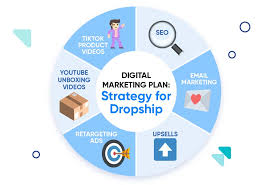
To boost your dropshipping store’s visibility and sales, focus on a mix of targeted social media ads, content marketing like blog posts and videos, email list building, influencer collaborations, search engine optimization (SEO), and building a strong brand reputation. Consistent effort across these areas drives sustainable growth.
Understanding Dropshipping Marketing
Dropshipping marketing is all about letting people know your store exists. It’s how you attract shoppers. Without good marketing, your amazing products will just sit there unseen. It’s not just about running ads. It’s about building trust. It’s about showing people why your store is special. You want them to choose you over others. Effective marketing helps you find the right people. These are folks who really want what you sell. It helps them discover your items. It also guides them to your website.
Why does this matter so much? Because the online world is crowded. So many stores are out there. If you don’t stand out, you’ll get lost. Think about your own online shopping. You probably see ads and links all the time. Marketing is the art of getting your link in front of the right eyes. It’s about connecting your product with a need or a desire.
Many new dropshippers focus only on product sourcing. They think that’s the hardest part. But honestly, marketing can be even trickier. You can have the best product in the world. If no one knows about it, you won’t sell anything. So, this is where we need to put our energy. We need to learn how to shout about our store effectively. We need to do it in a way that feels natural and helpful to others.
The goal isn’t just a quick sale. It’s about building a real business. It’s about creating repeat customers. People who trust your brand. They come back because they had a good experience. They felt seen and understood. Marketing helps build that feeling from the very start. It’s the first impression. It needs to be a good one. We’ll explore ways to make that happen for your dropshipping venture.
My Own Dropshipping Marketing Journey
I remember my first dropshipping store. It was for pet accessories. I spent weeks finding unique items. I thought they were amazing. I set up a nice website. I felt proud. Then, I waited. Days turned into weeks. My website views were tiny. I’d get maybe 5 visitors a day. Most just bounced off. My heart sank. I felt so discouraged. It was like I had this awesome shop in a secret forest. No one could find it. I’d see other stores selling similar things and wonder, “How are they doing it?” It felt like a huge mystery. I was doing all the work on products and the site, but the sales just weren’t coming. I started to think maybe dropshipping wasn’t for me. That feeling of emptiness, of putting in so much effort for nothing, is hard to shake. I was staring at my screen, feeling a bit lost and quite annoyed. I knew I had good products, but getting them in front of people felt impossible. That’s when I realized I was missing a huge piece of the puzzle: marketing.
I’d heard about ads, but they seemed expensive and confusing. I thought maybe I needed to be a tech whiz. Or have a huge budget. I was wrong. It took time and a lot of learning. I started small. I read articles, watched videos, and talked to other online sellers. I experimented with different approaches. Some things flopped. Others showed small sparks of hope. The key was not giving up. It was about testing and learning. It’s like learning to ride a bike. You fall a few times. But each time, you get a little better. You adjust your balance. You learn what works to keep you upright. That’s what marketing felt like for me. It was a skill I could develop. It was a path to getting my store from that secret forest to a bustling marketplace. This personal journey taught me that marketing isn’t a one-time fix. It’s an ongoing process. It’s about connecting with people. It’s about solving their problems or fulfilling their desires. And when you do that right, sales will follow.
Key Marketing Pillars for Dropshippers
Search Engine Optimization (SEO): Making your store appear high in search results like Google. This brings free traffic.
Social Media Marketing: Using platforms like Facebook, Instagram, and TikTok to reach customers. This can be through ads or organic posts.
Content Marketing: Creating helpful or entertaining content. Think blog posts, videos, or guides related to your products.
Paid Advertising: Running ads on social media or search engines. This offers quick visibility but costs money.
Email Marketing: Building a list of interested customers and sending them emails. This is great for repeat business.
Influencer Marketing: Partnering with people who have a large following. They can promote your products to their audience.
The Power of a Strong Brand Identity
Before you even think about ads, let’s talk about your brand. What is your store about? What makes it different? A strong brand isn’t just a logo. It’s the feeling people get when they interact with your store. It’s your story. It’s your tone of voice. It’s your values. For dropshipping, this is super important. Since you don’t make the products, your brand is what sets you apart. It’s how customers see you. Are you seen as trendy? Reliable? Affordable? Eco-friendly?
Think about brands you love. Why do you like them? It’s probably more than just the product. It’s the whole experience. It’s the consistent look and feel. It’s the way they communicate. For your dropshipping business, this means having clear visuals. Use consistent colors and fonts. Have a clear mission. What problem are you solving for people? Who are you trying to help?
A well-defined brand makes marketing easier. It gives you a clear direction. You know who you’re talking to. You know what message to send. It also helps build trust. When people see a consistent brand, they feel like they know you. This makes them more likely to buy from you. They feel more secure. They trust that you’ll deliver. Even though you’re dropshipping, you are the face of the business to your customer. So, make that face a good one.
Consider your target audience. Who are they? What do they care about? Your brand should speak directly to them. If you sell handmade-looking crafts, your brand should feel warm and personal. If you sell high-tech gadgets, it should feel modern and innovative. This connection is key. It’s what turns a visitor into a loyal customer. It’s the foundation of good marketing. Without it, your ads might attract clicks, but they won’t build a business.
Leveraging Social Media Marketing
Social media is a goldmine for dropshippers. It’s where your potential customers hang out. Platforms like Instagram, Facebook, TikTok, and Pinterest are powerful tools. You can use them to show off your products. You can also connect with people. Building a following takes time. But it’s worth it. You want to create a community around your brand.
Start by choosing the right platforms. Where does your target audience spend their time? If you sell visual products, Instagram and Pinterest are great. For broader reach or community building, Facebook works well. For younger audiences and trending content, TikTok is king. Post consistently. Use high-quality images and videos of your products. Show them in use. Tell stories about them. Don’t just post product photos. Share behind-the-scenes content. Show your personality. Run polls or Q&As to engage your followers.
Paid social media advertising is also very effective. You can target specific demographics. You can target interests. This means your ads are shown to people most likely to buy. Facebook and Instagram ads are very powerful. They allow for detailed targeting. You can start with a small budget. See what works. Then, increase your spend on successful campaigns. Test different ad creatives. Test different copy. See which ones get the best response. This is where the experimentation comes in. What works for one store might not work for another.
TikTok ads are booming. They can be very engaging. They feel less like ads and more like native content. This can lead to higher click-through rates. The key is to make your ads fun, creative, and relevant to the platform. Don’t just repurpose ads from other platforms. Tailor them. Remember, social media is about connection. Even with paid ads, aim to provide value or entertainment. Don’t just push sales. Build relationships.
Social Media Spotlight: Instagram Strategy
Profile Optimization: Use a clear bio that states what you sell and includes a link to your store. Use a professional profile picture.
High-Quality Visuals: Post appealing photos and short videos of your products. Use lifestyle shots to show products in use.
Engaging Captions: Ask questions, tell stories, and use relevant hashtags. Encourage comments and shares.
Instagram Stories & Reels: Use these for behind-the-scenes looks, product demos, and flash sales. They grab attention.
Influencer Collaboration: Partner with micro-influencers in your niche to reach new audiences.
The Role of Content Marketing
Content marketing is about creating valuable content. This content attracts and engages your audience. It then guides them towards making a purchase. It’s a long-term strategy. It builds trust and authority. It’s not about selling directly. It’s about being helpful or interesting.
Blogs are a fantastic tool. Write articles related to your niche. If you sell kitchen gadgets, write recipes. Or tips for organizing a kitchen. Or reviews of different cooking methods. This attracts people interested in cooking. They might not be looking for a specific gadget yet. But they are in your target audience. When they need a gadget, they’ll remember you.
Videos are also incredibly powerful. You can create product reviews. You can make “how-to” guides. Or explainer videos. These can be posted on YouTube, social media, or your own website. Video content is highly engaging. It helps people understand your products better. It shows them the benefits clearly. It builds a stronger connection than just text.
Other forms of content include infographics, podcasts, or even free guides. The key is to understand what your audience wants. What are their problems? What are their questions? Create content that answers those. This positions you as an expert. It makes your brand memorable. When someone is ready to buy, they’ll think of the helpful person who shared great information. This is how content marketing works its magic.
For dropshipping, content marketing can help overcome the lack of a physical product. You can’t let people touch or feel your items. But you can educate them. You can inspire them. You can show them the lifestyle associated with your products. This builds desire. It bridges the gap between online browsing and confident purchasing. It’s a slower burn than ads, but it creates more loyal customers over time.
Search Engine Optimization (SEO) for Dropshippers
SEO is vital for long-term dropshipping success. It’s about making your website visible in search engines like Google. When someone searches for a product you sell, you want to show up. This brings you “organic” traffic. This traffic is free. It’s also highly targeted because the user is actively looking for something.
On-page SEO involves optimizing your product pages. Use clear, descriptive titles. Write detailed product descriptions. These should include keywords people would use to search. Use high-quality images with alt text. Make sure your website loads quickly. Mobile-friendliness is also crucial. Most people shop on their phones.
Off-page SEO involves building links to your website. This signals to Google that your site is trustworthy and popular. This can be done through guest blogging on other sites. Or by getting mentions in industry publications. Building backlinks takes time. But it’s a very powerful SEO tactic.
Keyword research is the foundation of SEO. You need to know what terms people are searching for. Tools like Google Keyword Planner can help. Look for keywords with good search volume but manageable competition. Long-tail keywords are often very effective. These are longer, more specific phrases. For example, instead of “dog collar,” try “waterproof reflective dog collar for large breeds.”
Technical SEO is also important. This includes things like site speed, mobile-friendliness, and site structure. A well-structured website is easier for search engines to crawl. It also provides a better user experience. For dropshipping, this means ensuring your product pages are well-organized and easy to navigate. This helps both users and search engines find what they need.
SEO Quick Wins for Your Dropshipping Store
Keyword Research: Identify terms your customers use. Use tools to find search volume.
Optimized Product Titles: Include your main keyword naturally. Keep it clear and descriptive.
Detailed Descriptions: Write unique, benefit-driven descriptions. Use related keywords.
Image Alt Text: Describe your product images for search engines and accessibility.
Mobile-First Design: Ensure your site looks and works great on phones.
Email Marketing: Building Customer Loyalty
Email marketing is one of the most effective ways to retain customers. It’s also great for re-engaging past visitors. When someone subscribes to your email list, they’ve shown interest. They’ve given you permission to talk to them. This is a valuable lead. You need to nurture it.
Offer an incentive to sign up. This could be a discount code for their first order. Or a free guide. Or early access to new products. This encourages people to give you their email address. Once they subscribe, send them a welcome email. This sets the tone. It thanks them for joining.
Regularly send emails to your list. Share new products. Announce sales or promotions. Provide helpful tips related to your niche. Tell stories about your brand. Segment your list. Send different emails to different groups. For example, customers who bought a certain product might get emails about related items. This makes your emails more relevant.
Automated email sequences can save you time. Welcome series, abandoned cart emails, and post-purchase follow-ups are common. An abandoned cart email can remind a customer about items they left behind. This can recover lost sales. A post-purchase email can thank them and ask for a review. This builds loyalty and provides social proof.
Email marketing has a high return on investment. It’s often more cost-effective than paid ads. It allows for direct communication with your audience. You own your email list. Unlike social media followers, you’re not subject to algorithm changes. It’s a direct line to your most interested customers. This makes it a powerful tool for building a sustainable dropshipping business.
The Art of Paid Advertising
Paid advertising can give your dropshipping store an immediate boost. It’s a way to get your products in front of a large audience quickly. Platforms like Google Ads and social media ads are popular choices. These allow for precise targeting. This means you can reach people who are most likely to buy.
Google Ads can be very effective for capturing purchase intent. When someone searches on Google for a product you sell, your ad can appear. This is called search advertising. You pay when someone clicks your ad. Display ads on other websites can also build brand awareness. You pay based on impressions (how many people see your ad) or clicks.
Social media ads, especially on Facebook and Instagram, are excellent for product discovery. You can target users based on their interests, behaviors, and demographics. This is powerful for reaching new customers who may not have been actively searching for your product yet. High-quality visuals and compelling ad copy are key here.
TikTok ads are also gaining traction. They are great for reaching a younger audience. Ads on TikTok tend to be more informal and creative. They blend in with the platform’s content style. This can lead to high engagement rates.
When using paid ads, it’s crucial to track your results. Monitor your return on ad spend (ROAS). See which ads are performing best. Which audiences are converting? Continuously test and optimize your campaigns. Start with a small budget. Learn what works before scaling up. Paid advertising is a powerful engine for growth, but it requires careful management and data analysis to be truly effective for your dropshipping store.
Paid Ad Strategy: Key Considerations
Know Your Audience: Target ads precisely. Use demographic and interest data.
Compelling Creatives: Use high-quality images/videos. Write clear, benefit-driven ad copy.
Landing Page Relevance: Ensure your ad links to a relevant page on your store.
Budget Wisely: Start small, test, and track results. Scale what works.
A/B Testing: Test different headlines, images, and calls to action.
Working with Influencers
Influencer marketing can be a very effective way to promote your dropshipping products. It leverages the trust and reach that influencers have built with their followers. When an influencer recommends your product, it’s like a trusted friend giving a stamp of approval. This can drive significant interest and sales.
The first step is identifying the right influencers. Look for those whose audience matches your target customer. It’s not always about huge follower counts. Micro-influencers (those with smaller but highly engaged followings) can often provide better results for niche products. Their audiences are typically more loyal and responsive.
Reach out to influencers professionally. Explain your brand and products. Clearly state what you are looking for. This could be a sponsored post, a product review, or a giveaway. Be clear about compensation. This might be a flat fee, free products, or a commission on sales.
Provide influencers with clear guidelines. But also allow them creative freedom. Their followers trust their authentic voice. If the promotion feels too scripted, it won’t be as effective. Track the results of your influencer campaigns. Use unique discount codes or affiliate links to measure sales generated.
Collaborations can take many forms. You might send them products to review. They might create content featuring your items. Or they might host a giveaway for their followers. The key is to find a partnership that feels natural for both sides. It should benefit the influencer’s audience and promote your products effectively. This strategy can introduce your store to entirely new, relevant audiences.
Building Trust and Credibility
Trust is the bedrock of any successful business, especially online. For dropshipping, where you don’t physically handle the products, building trust is paramount. Customers need to feel confident that they will receive what they ordered. And that the quality will be as advertised.
Clear and transparent policies are essential. Have a detailed shipping policy. Explain delivery times clearly, especially since dropshipping often involves longer waits. Have a straightforward return and refund policy. Make it easy for customers to find this information. It shows you stand behind your products and service.
Customer reviews and testimonials are incredibly powerful. Encourage satisfied customers to leave reviews on your product pages or your website. Positive social proof builds immense credibility. Displaying trust badges (like secure payment icons) can also help. Mentioning trusted shipping carriers can provide reassurance.
Excellent customer service is non-negotiable. Respond to inquiries quickly and politely. Address any issues or complaints with empathy and a desire to find a solution. When customers feel heard and valued, they are more likely to trust your brand. They may even become loyal advocates.
Your website design also plays a role. A professional, well-designed website looks trustworthy. Avoid cluttered layouts, spelling errors, and broken links. These can all erode confidence. Ensure your contact information is easily accessible. This shows you are a legitimate business that can be reached.
Trust Indicators for Your Store
Clear Policies: Shipping, returns, and privacy policies should be easy to find.
Customer Reviews: Display genuine customer feedback prominently.
Secure Payment Icons: Show recognized symbols for trusted payment gateways.
Contact Information: Make it easy for customers to reach you.
Professional Website Design: A clean, modern look builds confidence.
Measuring Your Marketing Success
You can’t improve what you don’t measure. Tracking your marketing efforts is crucial. It shows you what’s working and what’s not. This helps you allocate your budget and time more effectively. It prevents you from wasting money on strategies that don’t deliver results.
Key metrics to track include website traffic. Where are your visitors coming from? Are they finding you through social media, Google searches, or ads? Conversion rates are also vital. This is the percentage of visitors who make a purchase. A low conversion rate might indicate issues with your website or your marketing message.
Return on Ad Spend (ROAS) is critical for paid advertising. This tells you how much revenue you generate for every dollar spent on ads. Customer Acquisition Cost (CAC) is another important metric. This is how much it costs to acquire a new customer. You want your CAC to be lower than the customer’s lifetime value.
Engagement metrics on social media matter too. Likes, shares, comments, and click-through rates on your posts and ads provide insight into what resonates with your audience. Email open rates and click-through rates indicate how effective your email campaigns are.
Tools like Google Analytics are essential for tracking website traffic and user behavior. Social media platforms have built-in analytics dashboards. Your email marketing service will provide data on your campaigns. Regularly reviewing this data allows you to make informed decisions. It helps you refine your strategies. It ensures your marketing efforts are driving real growth for your dropshipping store.
When to Worry (and When Not To)
It’s normal for your dropshipping store’s marketing to have ups and downs. Not every campaign will be a home run. Not every social media post will go viral. Some periods might be slower than others. This is usually nothing to worry about. It’s part of the business cycle.
You should worry if you see consistently low website traffic for extended periods. If your ads are getting clicks but no sales, that’s a concern. It might mean your targeting is off, or your landing page needs work. If customer complaints are rising, or reviews are consistently negative, it’s a sign of trouble. This could point to product quality issues, shipping delays, or poor customer service.
A sudden drop in sales without any clear reason (like a major change in ad spend or website issues) is also worth investigating. It might signal a change in market trends or increased competition. Be aware of what your competitors are doing. Are they running aggressive campaigns? Have they launched new products?
On the other hand, don’t panic over small dips. Minor fluctuations in traffic or sales are normal. If you’re experimenting with new marketing tactics, it’s expected that not all will yield immediate results. Learning what doesn’t work is just as important as learning what does. Focus on the overall trend. Are you growing month over month? Are your customer satisfaction metrics improving?
The key is to be observant and data-driven. Don’t make emotional decisions. When you see a negative trend, dig into the data to understand the cause. Then, make strategic adjustments. Consistent effort and learning from your results will lead to more stable, sustainable growth than chasing quick wins.
Quick Tips for Boosting Your Dropshipping Marketing
Here are some simple actions you can take right now. They can help improve your dropshipping marketing. Many of these are low-cost. Some are free.
Optimize Your Product Titles: Make them clear and include main keywords. Example: “Blue Ceramic Coffee Mug with Handle” instead of just “Mug.”
Use Clear Calls to Action: Tell people exactly what you want them to do. Use buttons like “Shop Now” or “Learn More.”
Respond to Comments: Engage with people who comment on your social media posts. It builds community.
Offer a Small Discount for First-Time Buyers: This is a great way to encourage initial purchases. You can promote this via email or social media.
Add Product Videos: Even short videos showing a product in use can boost engagement and sales.
Run a Small Social Media Ad Campaign: Target a specific audience with a compelling offer. See how it performs.
Make Your Website Mobile-Friendly: Most shoppers use phones. Ensure your site is easy to use on small screens.
Use High-Quality Images: Blurry or pixelated photos hurt your brand’s image. Invest in good product visuals.
Frequently Asked Questions About Dropshipping Marketing
What is the most important marketing channel for dropshipping?
There isn’t one single “most important” channel. It depends on your niche and audience. However, social media advertising (Facebook, Instagram, TikTok) is often very effective for reaching new customers quickly. SEO is crucial for long-term, free traffic. Email marketing is key for customer retention.
How much should I spend on dropshipping marketing?
It varies greatly. Many beginners start with a small budget, maybe $10-$20 per day, on ads. As you learn what works and see a return, you can increase your spend. Focus on a positive Return on Ad Spend (ROAS). You want to make more money than you spend on ads.
Can I do dropshipping marketing without spending money?
Yes, absolutely! Organic social media marketing, content creation (like blogging or YouTube videos), and SEO can be done for free. Building an email list through organic means also costs nothing but your time. These methods take longer but can build a strong foundation.
How long does it take to see results from dropshipping marketing?
Paid ads can bring results within days or weeks. Organic methods like SEO and content marketing can take months to show significant results. Building a brand and customer loyalty is a long-term game. Consistency is key for all methods.
What is a good conversion rate for a dropshipping store?
Conversion rates vary by industry. For e-commerce, a typical conversion rate might be between 1% and 3%. A rate above 3% is considered good. If your rate is much lower, it’s a sign to investigate your website’s user experience, product pricing, or marketing message.
Should I use Facebook ads or Google ads for dropshipping?
Both can be effective. Facebook and Instagram ads are great for product discovery and reaching broad audiences based on interests. Google Ads are better for capturing high purchase intent, as users are actively searching for products. Many successful stores use a combination of both.
How important are product reviews for dropshipping marketing?
Product reviews are extremely important. They build trust and social proof. Potential customers are more likely to buy if they see others have had positive experiences. Encourage your customers to leave reviews after they receive their orders.
Final Thoughts on Growing Your Dropshipping Business
Getting your dropshipping store noticed is a journey. It requires patience and smart effort. By focusing on building a strong brand, using social media effectively, creating valuable content, and mastering SEO, you can attract more customers. Don’t forget the power of email marketing and paid ads. Building trust is key at every step. Track your results. Learn from them. Keep adapting. Your dropshipping business can thrive with the right marketing approach.