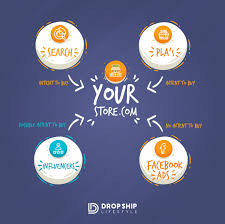
Finding the right influencers can boost your dropshipping sales. It helps you reach new customers who trust recommendations. This guide explains how to do it well.
What is Influencer Marketing for Dropshipping?
Influencer marketing means working with people online who have a following. These folks are called influencers. They share your products with their fans.
For dropshipping, this is a smart move. You don’t need to hold stock. The influencer shows your item.
A customer buys it. Then you ship it to them. It’s a way to get your brand seen by lots of people fast.
Think about it. You see someone you follow and trust talking about a cool new gadget. You’re more likely to check it out.
You might even buy it. Influencers build that trust. They become like friends to their followers.
When they suggest something, it feels genuine. This is the core idea behind using them for your dropshipping business.
It’s not just about big stars. Many influencers have smaller, but very dedicated, groups of followers. These smaller groups can be perfect for niche products.
If your dropshipping store sells something specific, like eco-friendly pet toys, finding an influencer who talks about pets and sustainability is key. Their fans will be super interested.
My First Real Influencer Test (and What I Learned)
I remember launching my first dropshipping store. It was all about quirky phone cases. I spent weeks designing the site.
I sourced what I thought were amazing products. Then came the marketing. I tried paid ads.
They ate my budget fast. I felt a bit lost. Then, I decided to try influencer marketing.
I found a small Instagram account that featured cool accessories. The person running it had maybe 5,000 followers. They seemed really into style.
I sent them a direct message. I offered them a free phone case. I also offered a small payment for a post and a story.
I was nervous. What if they ignored me? What if they posted something awful?
To my surprise, they replied quickly. They loved the case design. They posted a picture holding it.
They added a link to my store in their bio. I held my breath for a few days.
Then it happened. I saw a few sales come in. The order notes even mentioned seeing the case on Instagram.
It wasn’t a flood, but it was real. It was proof that this could work. It also taught me a lesson.
I shouldn’t have waited so long to try. I had a good product. I just needed the right person to show it off.
The feeling of seeing those first sales from an influencer’s post was incredible. It felt like a breakthrough.
Finding Your Niche Influencer: A Quick Guide
1. Identify Your Target Audience: Who buys your products? What are they interested in?
Where do they hang out online?
2. Search Platforms: Look on Instagram, TikTok, YouTube, and Pinterest. Use hashtags related to your niche.
3. Check Engagement: Don’t just look at follower counts. See if people comment and like their posts.
Are their followers real?
4. Assess Content Quality: Does their content look good? Does it fit your brand’s style?
5. Look for Authenticity: Do they seem genuine? Do they interact with their followers?
Why Influencer Marketing Works for Dropshipping
Dropshipping has unique challenges. You don’t handle physical products. This means you can’t show off the feel or weight of an item.
You can’t unbox it yourself with great care. Influencers can bridge this gap. They can physically show the product.
They can talk about its features as they use it. This adds a layer of realism that ads often lack.
Another big plus is reach. You might have a fantastic product. But getting it in front of the right people is hard.
Influencers already have an audience. This audience has shown interest in what they share. If you pick an influencer whose followers match your ideal customer, you get instant access to a warm market.
This is a shortcut to reaching potential buyers.
Trust is also a massive factor. People trust recommendations from friends. They also trust people they follow and feel they know.
An influencer who has built a strong connection with their followers can pass that trust onto your brand. When they say they like your product, their followers are more likely to believe them. This is gold for a new or small dropshipping business.
Cost-effectiveness is another point. While some top influencers are very expensive, many micro-influencers or nano-influencers offer great value. You can often work with them for a lower fee or even just by providing free products.
For a dropshipper watching every penny, this can be a much better return on investment than broad, untargeted advertising.
Dropshipping & Influencer Collaboration Styles
Product Reviews: The influencer tries your product and gives their honest opinion.
Giveaways & Contests: Partner to offer your product as a prize to the influencer’s audience.
Discount Codes: Provide a unique code for the influencer to share, offering savings to their followers.
Sponsored Posts/Videos: The influencer creates dedicated content featuring your product.
Affiliate Marketing: The influencer earns a commission on sales driven through their unique link.
How to Find the Right Influencers
This is where many people get stuck. You can’t just pick someone with a lot of followers. You need to be smart.
First, you need to know your product inside and out. Who would love this product? What kind of person are they?
What are their hobbies? What problems does your product solve for them?
Once you know your ideal customer, you can search for influencers who reach them. Use relevant hashtags on platforms like Instagram and TikTok. Search for YouTube channels that review products like yours.
Look for bloggers who write about your niche. Don’t just look at the biggest names. Often, smaller influencers have a more engaged audience.
They are also usually more affordable.
When you find a potential influencer, do your homework. Look at their recent posts. Do they get a lot of likes and comments?
Do their followers seem real? Are the comments genuine, or do they look like bots? Check out their past sponsored posts.
Do they promote many different things? Or do they seem selective? A good influencer will only promote things they genuinely like.
This authenticity is vital.
It’s also important to see if their content style matches your brand. If your brand is very sleek and professional, you probably don’t want to work with someone who posts silly memes all the time. Or, if you sell handmade crafts, you want someone who appreciates that kind of artistry.
The visual and tonal match is crucial for a campaign to feel natural.
Don’t be afraid to reach out. Most influencers are open to collaborations. Prepare a clear message.
Explain who you are and why you think they’d be a good fit. Be upfront about what you’re offering. This includes free products, payment, or an affiliate deal.
Quick Scan: Influencer Vetting Checklist
| Metric | Normal | Concerning |
| Follower Count | Matches niche size | Unnaturally high for niche |
| Engagement Rate (Likes/Comments per follower) | Steady & positive | Very low or zero engagement |
| Comment Quality | Genuine questions/praise | Generic, spammy, or bot-like |
| Post Frequency | Consistent | Inconsistent or long gaps |
| Sponsored Content | Selective, well-integrated | Too many, feels pushy |
| Audience Demographics (if available) | Matches your target | Does not match your target |
Crafting Your Influencer Campaign
Once you’ve chosen an influencer, you need a plan. This is your campaign. What do you want them to do?
What’s the goal? Is it to get more website visits? To sell a specific product?
To build brand awareness?
Be very clear with the influencer about your expectations. What kind of content do you want? A static post?
A series of stories? A video review? How many posts should they make?
What platform should they use? When should they post? The more details you give, the better the outcome will be.
You should also think about the message. What key points do you want the influencer to share about your product? What makes it special?
What problem does it solve? You don’t want them to just read a script. They should sound like themselves.
But you do want them to highlight the important benefits. You can provide them with talking points, but let them phrase it in their own voice.
Consider offering a unique discount code. This is great for a few reasons. It encourages their followers to buy now.
It also helps you track exactly how much sales traffic came from that specific influencer. This is super useful for measuring success later on. Make the code easy to remember and spell.
Finally, think about the timing. Is there a special event coming up? A holiday?
A new product launch? Aligning your influencer campaign with these moments can give it an extra boost. It can help create buzz at the right time.
Campaign Goal Setting: What Matters Most?
Brand Awareness
Focus: Reach, impressions, mentions.
Influencer Action: Shout-outs, product features, story mentions.
Website Traffic
Focus: Click-through rates, unique visitors.
Influencer Action: Link in bio, swipe-up links, direct calls to action.
Sales & Conversions
Focus: Sales revenue, conversion rate, average order value.
Influencer Action: Discount codes, direct product links, strong calls to purchase.
Engagement
Focus: Likes, comments, shares, saves on influencer posts.
Influencer Action: Asking questions, running polls, encouraging discussion.
Measuring Your Success
You’ve run your campaign. Now what? It’s easy to just move on.
But you need to know if it worked. How do you measure success? This goes back to your goals.
If your goal was brand awareness, you’d look at how many new people saw your brand. This could be through impressions on the influencer’s posts. You might also track mentions of your brand online.
Did people start talking about you more?
If you wanted website traffic, you’d look at your website analytics. How many new visitors came to your site during the campaign? Where did they come from?
If you used unique links or discount codes, you can trace this directly back to the influencer.
For sales, this is often the clearest measure. How many sales did you get? Did you meet your sales targets?
Did the discount code usage match expectations? Compare the sales during the campaign period to a period before it. Look at the profit you made versus the cost of the influencer campaign.
It’s also important to look at the qualitative feedback. Did the influencer’s followers leave positive comments? Did they ask questions about your product?
This shows genuine interest. Sometimes the best results aren’t just direct sales. They are building a community and interest around your brand.
Don’t be discouraged if your first campaign isn’t a massive success. It’s a learning process. You’ll figure out what works best for your products and your audience.
Track everything. Learn from each campaign. Then, refine your strategy for the next one.
Key Performance Indicators (KPIs) to Track
Follower Growth: Did your own social media accounts gain followers?
Website Traffic: Check Google Analytics for referral traffic.
Conversion Rate: What percentage of visitors from the influencer made a purchase?
Sales Revenue: Total sales generated during and immediately after the campaign.
Return on Investment (ROI): (Sales Revenue – Campaign Cost) / Campaign Cost.
Brand Mentions: Track social media mentions and new reviews.
Engagement Metrics: Likes, comments, shares on influencer content.
Common Pitfalls to Avoid
It sounds straightforward, but there are traps you can fall into. One big one is choosing the wrong influencer. This means someone whose audience doesn’t care about your product.
Or, someone who doesn’t seem authentic. A fake promotion will hurt your brand more than help it.
Another mistake is not being clear about your expectations. If the influencer doesn’t know what you want, they can’t deliver. This leads to disappointment on both sides.
Make sure you have a clear brief. This document outlines the campaign goals, deliverables, and timeline.
Underestimating the cost is also common. While many micro-influencers are affordable, some can still be costly. You need to factor in the cost of free products you send them.
And the payment they receive. Ensure you have a budget for this. And that the potential return justifies the expense.
Failing to track results is a huge miss. If you don’t measure, you don’t learn. You won’t know what worked or what didn’t.
This makes future campaigns less effective. Always set up tracking mechanisms. Use unique links, discount codes, and monitor your analytics.
Finally, rushing the process is not ideal. Finding the right influencer takes time. Negotiating terms takes time.
Creating the campaign materials takes time. Don’t try to do it all in a day. Give yourself enough runway to execute a well-planned campaign.
Patience and planning lead to better results.
Myth vs. Reality: Influencer Marketing
Myth: Only huge influencers drive sales.
Reality: Micro and nano-influencers often have higher engagement and more targeted audiences, leading to better conversion rates for niche products.
Myth: Influencer marketing is just about sending free products.
Reality: While free products are common, many influencers expect payment, especially for dedicated content. Clear agreements are vital.
Myth: Once a campaign is live, your job is done.
Reality: You need to monitor the campaign, engage with comments, and track results to understand its impact.
Myth: You can control exactly what the influencer says.
Reality: Authenticity is key. While you guide the message, the influencer should speak in their own voice for credibility.
Scaling Your Influencer Efforts
Once you’ve had a successful campaign, you’ll want to do more. How do you grow this? The first step is to build relationships with influencers who performed well.
They already know your brand. They know what works. Staying in touch with them is easier than finding new people.
You can start to work with them more frequently. Perhaps for new product launches or seasonal promotions. This builds brand loyalty with their audience.
It also makes them more familiar with your product range. They become advocates for your brand.
As your budget grows, you can approach larger influencers. But do this carefully. Make sure their audience still aligns with your products.
Don’t just chase follower numbers. The quality of the audience matters more than the quantity.
Consider creating an affiliate program. This means influencers earn a commission on every sale they drive through a unique link. This can be a very powerful incentive.
It aligns their success directly with your sales. Many dropshipping platforms integrate with affiliate software.
Diversify your influencer base. Work with people on different platforms. Maybe you started on Instagram.
Now try TikTok or YouTube. Each platform has its own audience and content style. This spreads your reach and reduces reliance on one channel.
Keep testing and learning. What worked last year might not work this year. Social media changes fast.
Influencer trends change too. Stay adaptable. Always look for new ways to connect with potential customers through trusted voices.
The goal is to make your dropshipping products stand out in a crowded online world.
Frequently Asked Questions
How much does influencer marketing for dropshipping cost?
The cost varies greatly. It can range from free products for very small influencers (nano-influencers) to thousands of dollars for larger ones. For micro-influencers (10k-100k followers), you might expect anywhere from $100 to $1000 per campaign, or sometimes a combination of free product and a smaller fee.
Always agree on terms upfront.
What is a good engagement rate for an influencer?
A good engagement rate is usually considered to be between 1% and 5%. However, this can differ by platform and industry. For smaller accounts with highly dedicated followers, rates can even be higher.
Look for consistent likes and thoughtful comments relative to their follower count.
Should I work with influencers who have many followers or fewer?
It depends on your goals and budget. Influencers with fewer followers (micro-influencers or nano-influencers) often have more engaged and niche audiences. This can lead to higher conversion rates for specific products.
Larger influencers offer broader reach but may be more expensive and less targeted.
How do I track if an influencer campaign led to sales?
Use unique discount codes for each influencer. This code should be specific to them. Also, use UTM parameters in the links you provide them.
This allows you to see traffic and sales from that specific source in your website analytics. Affiliate links are another excellent way to track sales.
Can I use influencer marketing if I have a very small budget?
Yes! Start with nano-influencers or micro-influencers. Offer them free products in exchange for a review or post.
Many aspiring influencers are eager to build their portfolio. Focus on finding influencers whose audience perfectly matches your product. Authenticity and relevance matter more than follower count when starting out.
What’s the difference between an influencer and an affiliate marketer?
An influencer often focuses on creating content and building community around a brand or product. They might be paid a flat fee or receive free products. An affiliate marketer’s primary goal is to drive sales, and they typically earn a commission on each sale generated through their unique link.
Many influencers also act as affiliate marketers.
Conclusion
Influencer marketing offers a powerful way to introduce your dropshipping products to new audiences. It leverages trust and authenticity. By carefully selecting influencers, crafting clear campaigns, and measuring your results, you can see real growth.
Start small, learn from each step, and build genuine connections. This can be the key to unlocking your dropshipping business’s potential.