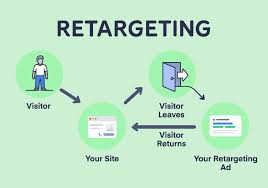
What is Retargeting?
Retargeting, also called remarketing, is a type of online advertising. It targets people who have visited your website before. Even if they didn’t buy anything, you can show them ads later.
This happens when they are on other websites or apps. Think of it as a friendly nudge. It reminds them of what they liked on your site.
Why is this important? Many people don’t buy on their first visit. They might be just browsing.
Or maybe they got distracted. They could be comparing prices. They might need more convincing.
Retargeting ads help you stay in their mind. They gently guide them back to complete their journey.
When someone visits your site, a small piece of code, like a cookie, is placed on their browser. This cookie identifies them as a past visitor. Later, when they visit websites that are part of an ad network, your ads can appear.
This is a smart way to keep your brand visible to those already interested.
It’s not just about showing any ad. It’s about showing the right ad. If they looked at shoes, show them shoe ads.
If they left items in their cart, remind them about those specific items. This makes the ads feel more relevant and less intrusive. It’s a very focused approach to marketing.
My Own Retargeting Realization
I remember when I first launched my small online store selling handmade soaps. I was so excited when the first few visitors came to the site. I’d spent weeks building it.
I’d shared it on social media. But then I looked at my analytics. So many people left without buying.
It felt like a punch to the gut. My beautiful soaps were just sitting there, unseen.
I felt a bit lost. How could I get them to come back? I had no idea about retargeting then.
I thought my job was done once they landed on my page. That’s when a friend, who runs a small marketing agency, told me about it. He explained how I could show ads for my specific soaps to people who had viewed them.
I was skeptical. Would that feel creepy? Or would it actually work?
I decided to try a simple retargeting campaign. I set it up to show ads for the most popular soap scents to people who had visited those product pages but didn’t buy. Within a week, I saw a difference.
A few people who had viewed the lavender soap came back and bought it. Then, someone who had abandoned their cart with three soaps in it returned and completed the purchase. It was amazing!
It felt like magic, but it was just smart advertising. That experience showed me the true power of bringing people back.
Key Retargeting Benefits
Increased Conversions: People who see retargeting ads are more likely to buy. They already know you. This makes them trust you more.
Brand Recall: Your brand stays top-of-mind. Even if they don’t buy today, they might later. Constant visibility helps.
Higher ROI: Retargeting often has a better return on investment. You’re reaching people who are already interested. This costs less than finding new customers.
Personalized Messaging: You can show ads based on what they did on your site. This makes ads feel more helpful and less annoying.
Modern Retargeting Ad Platforms
Today, there are several main platforms you can use for retargeting. Each offers different ways to reach your audience. Knowing them helps you choose the best fit for your business.
Google Ads: This is one of the most popular. You can retarget users across Google Search, YouTube, and millions of websites in the Google Display Network. It’s very versatile.
You can create custom lists based on user behavior on your site. For example, you can target people who visited a specific product page but not others.
Meta Ads (Facebook & Instagram): These platforms are great for visual products. You can retarget people who have interacted with your Facebook page, Instagram profile, or website. They offer robust audience segmentation.
You can reach people based on their engagement with your content, their video views, or website visits.
LinkedIn Ads: If you’re a B2B company, LinkedIn is key. You can retarget professionals who visited your website or engaged with your LinkedIn content. This is ideal for reaching decision-makers in specific industries.
Other Ad Networks: There are many other ad networks and platforms like Twitter, Pinterest, and even programmatic advertising exchanges. Each can be used for retargeting, depending on where your target audience spends their time online.
The choice of platform often depends on your business type and where your customers are. For many, a combination of Google Ads and Meta Ads provides broad reach. It covers both search intent and social browsing habits.
Building Effective Retargeting Audiences
The success of your retargeting depends on your audiences. You need to build smart lists of people to target. It’s not just about showing ads to everyone who ever visited.
It’s about segmenting them.
All Website Visitors: This is the broadest audience. It includes anyone who has visited your site. You might use this for general brand awareness ads.
Or for people who have not visited in a long time.
Product Page Viewers: Target people who looked at specific products. This is more focused. You can show them ads for those exact products.
This is great if they added it to a cart but didn’t buy.
Cart Abandoners: These are your hottest leads. They put items in their cart. Show them ads for those items.
Maybe offer a small discount. This often brings them back quickly.
Past Purchasers: You can retarget past customers too. Offer them new products. Or ask for reviews.
Or give them loyalty discounts. This helps build long-term relationships.
Time-Based Audiences: You can also set audiences based on when they visited. For instance, target people who visited in the last 7 days, 30 days, or 90 days. This helps you tailor your message to how recently they showed interest.
The longer someone has been on your site, or the more pages they visited, the more engaged they likely are. You can use this information to decide how often to show them ads and what kind of ads to show.
Audience Segmentation Tips
- Segment by behavior: Did they view a product, add to cart, start checkout, or make a purchase?
- Segment by recency: When was their last visit or interaction?
- Segment by frequency: How many times have they visited?
- Segment by value: For past purchasers, what was their order value?
This level of detail helps you craft more relevant ads for each group.
Crafting Compelling Ad Creatives
Your ads need to grab attention. They also need to make people want to click. For retargeting ad strategies, the creative should connect with their previous interest.
Dynamic Product Ads: If you sell many products, use dynamic ads. These automatically show people the exact products they viewed or added to their cart. This is highly effective.
It reminds them of what they liked.
Clear Call-to-Action (CTA): Tell people exactly what you want them to do. Use phrases like “Shop Now,” “Learn More,” or “Complete Your Order.” Make the button stand out.
Offer Incentives: Consider offering a small discount or free shipping. This can be the nudge needed to convert a hesitant buyer. For cart abandoners, a small percentage off can be very effective.
Use High-Quality Images/Videos: Visuals are crucial. Show your product in the best light. If you sell services, use images that represent the benefit or outcome.
Match Landing Page: The ad should lead to a relevant landing page. If the ad shows a specific shoe, the link should go to that shoe’s product page, not the homepage. This ensures a smooth user experience.
Keep it Simple: Ads have limited space and attention spans are short. Get your message across quickly and clearly. Avoid clutter.
It’s also wise to test different ad copies and visuals. What works best can vary. A/B testing helps you find the most effective combinations for your audiences.
Retargeting Campaign Frequency and Timing
How often should you show your ads? And for how long? This is a delicate balance.
You want to stay visible but not become annoying.
Frequency Capping: Most ad platforms allow you to set a frequency cap. This limits how many times a user sees your ad in a given period. A common starting point is 3-5 ads per day per user.
You might adjust this based on performance.
Retargeting Window: This is the duration after a user visits your site that they remain eligible to see your retargeting ads. Common windows are 30, 60, or 90 days. For cart abandoners, you might use a shorter window, like 1-3 days.
For general visitors, a longer window might be suitable.
Timing Matters: Consider when your audience is most likely to be online and receptive. For some businesses, this might be evenings or weekends. For B2B, it could be during work hours.
Too much frequency can lead to ad fatigue. Users might start ignoring your ads or even develop negative feelings towards your brand. Too little frequency means you might miss opportunities.
Monitor your campaign performance closely. Look at metrics like click-through rates (CTR) and conversion rates. If CTR drops or cost-per-conversion rises significantly, it might be time to adjust your frequency or duration.
It’s an ongoing process of optimization.
Frequency vs. Recency
Frequency: How many times a user sees your ad within a set period.
Recency: How recently a user has interacted with your brand or website.
Best Practice: Use recency to define your audience segments. Use frequency to control how often those segments see your ads. Newer interactions may warrant slightly higher frequency in the short term.
Advanced Retargeting Strategies for 2025 and Beyond
The digital advertising landscape is always changing. To stay ahead, you need to use the latest strategies. Here’s what’s trending and what will likely be important.
Cross-Device Retargeting: People use multiple devices. They might browse on their phone and buy on their desktop. Advanced platforms try to link these devices.
This allows for more seamless retargeting across a user’s digital life. Ensure your tracking methods are up-to-date.
AI-Powered Personalization: Artificial intelligence is changing ads. AI can analyze user behavior more deeply. It can predict what a user might want next.
This allows for highly personalized ad creatives and offers. AI can also help optimize bidding and budget allocation in real-time.
Video Retargeting: Video ads are highly engaging. Retargeting people who watched your videos or visited your video pages can be very effective. Create short, compelling video ads that showcase your product’s benefits or tell a story.
Lookalike Audiences for Retargeting: Once you have a good retargeting list, you can use it to find similar people. Platforms like Facebook and Google can create “lookalike audiences.” These are people who share characteristics with your existing interested visitors or customers. This helps you expand your reach to new, but highly relevant, potential customers.
Privacy-First Retargeting: With increasing privacy concerns and changes like the deprecation of third-party cookies, retargeting needs to adapt. Focus on first-party data collection. Use consent banners effectively.
Explore privacy-preserving advertising solutions. This is crucial for long-term success.
Omnichannel Retargeting: Go beyond just digital ads. If you have a physical store, you can retarget customers who visited your website with offers for your brick-and-mortar location. Or send them direct mail based on online activity.
Integrating online and offline efforts creates a stronger customer journey.
Measuring Retargeting Success
You can’t improve what you don’t measure. Tracking the right metrics is vital for any successful retargeting ad strategy.
Conversion Rate: This is the percentage of people who clicked your retargeting ad and then completed a desired action (like making a purchase). This is a key indicator of effectiveness.
Return on Ad Spend (ROAS): This measures how much revenue you generate for every dollar spent on ads. A high ROAS means your retargeting is profitable.
Click-Through Rate (CTR): This shows how many people clicked your ad after seeing it. A higher CTR suggests your ad creative and targeting are relevant.
Cost Per Acquisition (CPA) / Cost Per Conversion: This is the average cost to get one conversion. You want this to be as low as possible while still achieving your goals.
View-Through Conversions: Some platforms track conversions even if the user didn’t click the ad, but saw it and later converted. This shows the ad’s impact on brand awareness.
Regularly review your campaign reports. Look for trends. Identify what’s working and what’s not.
This data will guide your adjustments and help you refine your strategies.
Key Metrics to Watch
- Conversions: The ultimate goal. How many sales or leads?
- ROAS: Is your retargeting making you money?
- CTR: Are people interested enough to click?
- CPA: How much does each conversion cost?
- Frequency: Is it too high or too low?
When Retargeting Might Not Be Enough
While retargeting is powerful, it’s not a magic bullet. Sometimes, issues beyond advertising are at play. If your retargeting isn’t performing, consider these points.
Website User Experience (UX): If your website is slow, hard to navigate, or has a complicated checkout process, people will leave. Even retargeting won’t fix a bad website. Make sure your site is user-friendly on all devices.
Product-Market Fit: Is there genuine demand for your product or service? If people aren’t buying in the first place, retargeting won’t create demand. You might need to re-evaluate your offering or target audience.
Pricing: Is your pricing competitive? If your prices are too high compared to competitors, people may have looked and decided against buying. You might need to adjust your pricing strategy or highlight your unique value proposition better.
Trust and Credibility: Do potential customers trust your brand? Poor reviews, a lack of security badges, or unclear contact information can deter buyers. Building trust is essential, and retargeting alone cannot overcome a lack of it.
Stronger Initial Acquisition: If you’re attracting the wrong kind of visitors in the first place, retargeting them won’t help much. Ensure your initial marketing efforts are targeting people who are genuinely likely to be interested in what you offer.
Retargeting is an addition to your marketing, not a replacement for other fundamental marketing efforts. It works best when integrated into a solid overall strategy.
Mistakes to Avoid in Retargeting
Even with good intentions, it’s easy to make mistakes in retargeting. These can hurt your campaigns and your brand.
Over-Aggressive Frequency: Showing ads too many times can annoy people. This is perhaps the biggest mistake. It can make users actively avoid your brand.
Irrelevant Ads: Showing the wrong ads to the wrong people. Forgetting to update ads or not segmenting audiences properly. This makes ads feel spammy and unhelpful.
Ignoring Performance Data: Not tracking metrics or not making changes based on data. This means you’re flying blind and wasting money.
Not Excluding Purchasers: Continuously showing ads for products people have already bought. This is a waste of budget and can be confusing for the customer.
Poor Landing Page Experience: Sending users to a generic homepage when they clicked an ad for a specific product. The transition must be seamless.
Not Testing: Sticking with the same ads and audiences forever. Always test new creatives, new offers, and different audience segments. Optimization is key.
Avoiding these common pitfalls will help ensure your retargeting efforts are effective and contribute positively to your business goals.
Frequently Asked Questions About Retargeting Ads
What is the main goal of retargeting ads?
The main goal is to bring back people who visited your website but didn’t complete a purchase. It’s about re-engaging them and reminding them of your products or services to encourage them to convert.
How long should I retarget someone?
This depends on your goals. For general website visitors, a 30-60 day window is common. For cart abandoners, a shorter window of 1-7 days might be more effective.
Monitor your results and adjust.
Is retargeting creepy or intrusive?
It can feel that way if done poorly. Showing ads too often or using irrelevant ads can be intrusive. However, when done well with personalized ads and reasonable frequency, it’s seen as helpful by many users.
Do I need a large website traffic for retargeting?
Yes, retargeting relies on having a sufficient number of website visitors to build an audience. Most platforms have minimum audience size requirements, often around 100 active users for Google Ads and 1,000 for Facebook Ads to start serving.
Can retargeting ads be used for B2B businesses?
Absolutely. B2B businesses can use retargeting on platforms like LinkedIn to reach professionals who visited their site or engaged with their content. The focus shifts to leads, demos, or whitepaper downloads instead of direct sales.
What’s the difference between retargeting and remarketing?
In digital advertising, the terms retargeting and remarketing are often used interchangeably. Both refer to the practice of showing ads to people who have previously interacted with your brand online. Some distinguish retargeting as ad-based and remarketing as email-based, but this is not a strict rule.
How do I track retargeting conversions?
You track retargeting conversions using tracking pixels or tags from your advertising platforms (like Google Ads or Meta Pixel) installed on your website. These tags record user actions after they click or view your ads, attributing conversions to your campaigns.
Conclusion
Mastering retargeting ad strategies is essential in today’s digital world. It’s your chance to reconnect with people who already know and like what you offer. By building smart audiences, crafting engaging ads, and carefully managing frequency, you can turn lost visitors into loyal customers.
Remember to always test and measure your results. Stay aware of evolving privacy changes and AI advancements. With a thoughtful approach, retargeting will become a cornerstone of your marketing success.